Scientists Confirm 15-Mile-Wide Pit in Quebec is Ancient Meteor Crater
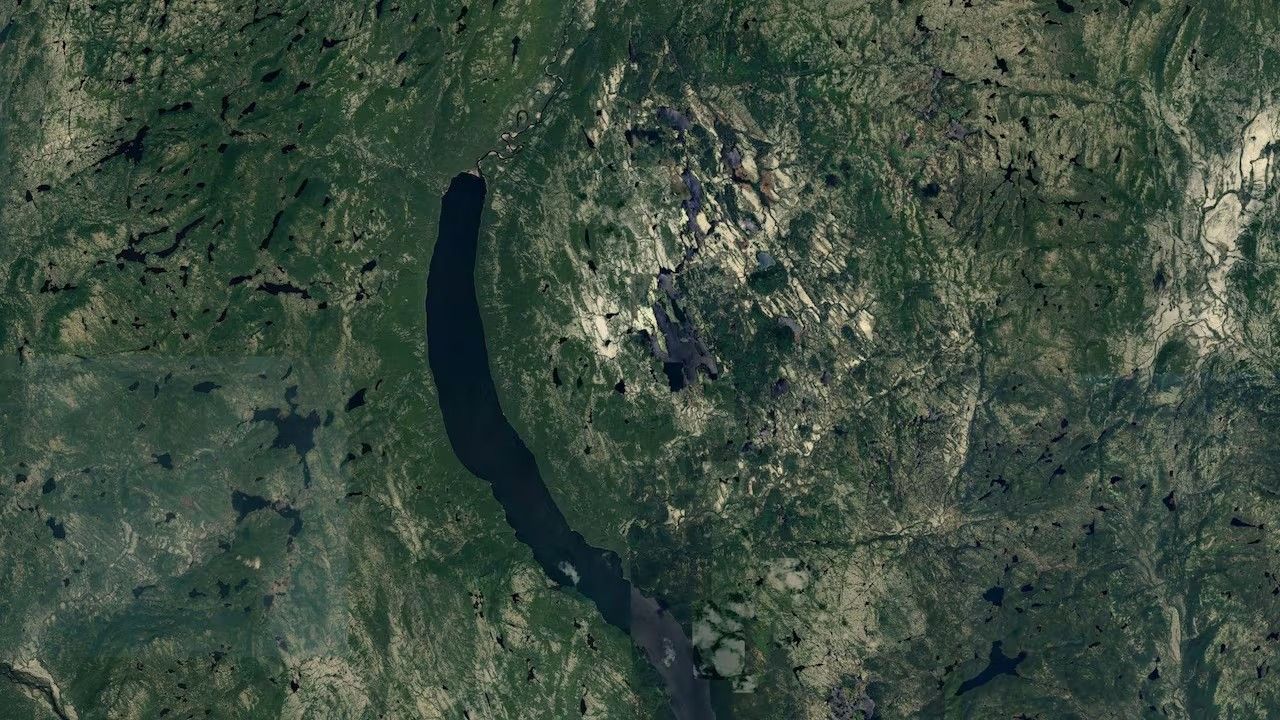
A large indentation discovered by Joël Lapointe while planning a camping trail in Quebec's Côte-Nord region has been confirmed by scientists as an ancient meteor impact crater. Lapointe, who was using Google Maps at the time, noted the significant size of the pit. Subsequent scientific investigation has verified its origin as a celestial impact event. The crater is estimated to be approximately 390 million years old. This discovery highlights how modern mapping tools can aid in uncovering geological history. The expedition to confirm the crater's nature was described by one participant as one of the most challenging they had undertaken.
The confirmation of this ancient meteor crater underscores the ongoing potential for scientific discovery through the integration of readily accessible digital tools like Google Maps with traditional fieldwork. Such findings can offer valuable insights into Earth's geological past and the frequency of extraterrestrial impacts. Future exploration may benefit from leveraging advanced geospatial data analysis to identify other potential sites of geological significance, optimizing resource allocation for scientific expeditions and deepening our understanding of planetary evolution.
AI-generated to prompt reflection — not editorial opinion, not advice, not a statement of fact. How this works.