Scientists Convert Fruit Waste into Refrigerants
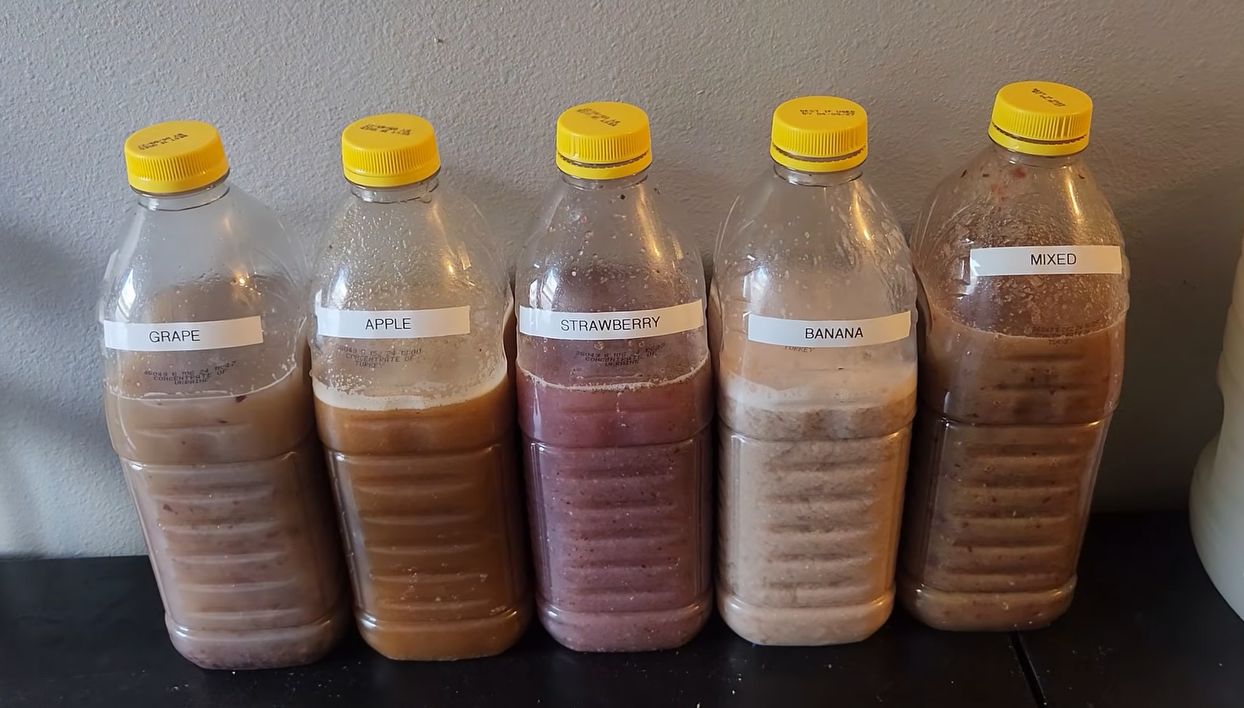
Researchers have developed a novel method to transform fruit waste into valuable refrigerants, specifically ethylene and ethane. This innovative process allows for the creation of these essential industrial gases from organic byproducts, offering a sustainable alternative to traditional production methods. The technique taps into the early stages of the supply chain, enabling the utilization of materials that would otherwise be discarded. This approach not only addresses the issue of food waste but also contributes to the production of chemicals crucial for refrigeration and other industrial applications. By repurposing fruit waste, the project aims to reduce reliance on fossil fuels and minimize the environmental impact associated with conventional chemical manufacturing. The development signifies a potential shift towards a more circular economy, where waste streams are viewed as resource opportunities. Further research may explore scaling this process for industrial application and assessing its economic viability.
This development presents an intriguing intersection of waste management and industrial chemical production. By converting fruit waste into refrigerants like ethylene and ethane, the process taps into the growing imperative for sustainable resource utilization. The approach highlights an opportunity to decouple essential industrial inputs from traditional, often energy-intensive, petrochemical pathways. Future considerations will likely involve the scalability of this conversion technology, its energy efficiency compared to existing methods, and the potential for broader application across different organic waste streams. Evaluating the lifecycle impact, including the energy required for the conversion and the GWP of the resulting refrigerants, will be crucial for assessing its overall environmental benefit and market viability in the context of evolving climate regulations.
AI-generated to prompt reflection — not editorial opinion, not advice, not a statement of fact. How this works.