Scientists Create Artificial Cells Capable of Sustenance and Division
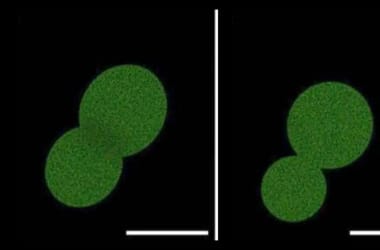
Researchers have developed a novel platform enabling the creation of artificial cells that mimic the functions of biological cells, including nutrient uptake and self-replication. This breakthrough holds significant promise for the future development of new pharmaceuticals. The artificial cells are designed to behave similarly to their natural counterparts, potentially opening new avenues for drug discovery and testing. This advancement could lead to more effective and targeted therapeutic interventions. The platform's ability to replicate biological processes in a controlled environment offers a unique tool for understanding cellular mechanisms. Further research will explore the full potential of these artificial cells in various biomedical applications. The innovation represents a significant step forward in synthetic biology and regenerative medicine.
The development of artificial cells capable of self-sustenance and division marks a significant advancement in synthetic biology. This technology could revolutionize drug development by providing a more accurate and controlled environment for testing therapeutic compounds, potentially reducing the cost and time associated with traditional methods. The ability to mimic biological processes also offers insights into fundamental cellular functions and diseases. As this field progresses, careful consideration of ethical implications and regulatory frameworks will be crucial to ensure responsible innovation and deployment. The long-term impact may extend to regenerative medicine and the creation of novel biomaterials.
AI-generated to prompt reflection — not editorial opinion, not advice, not a statement of fact. How this works.