Scientists Create First Artificial Cell Capable of Growth and Division
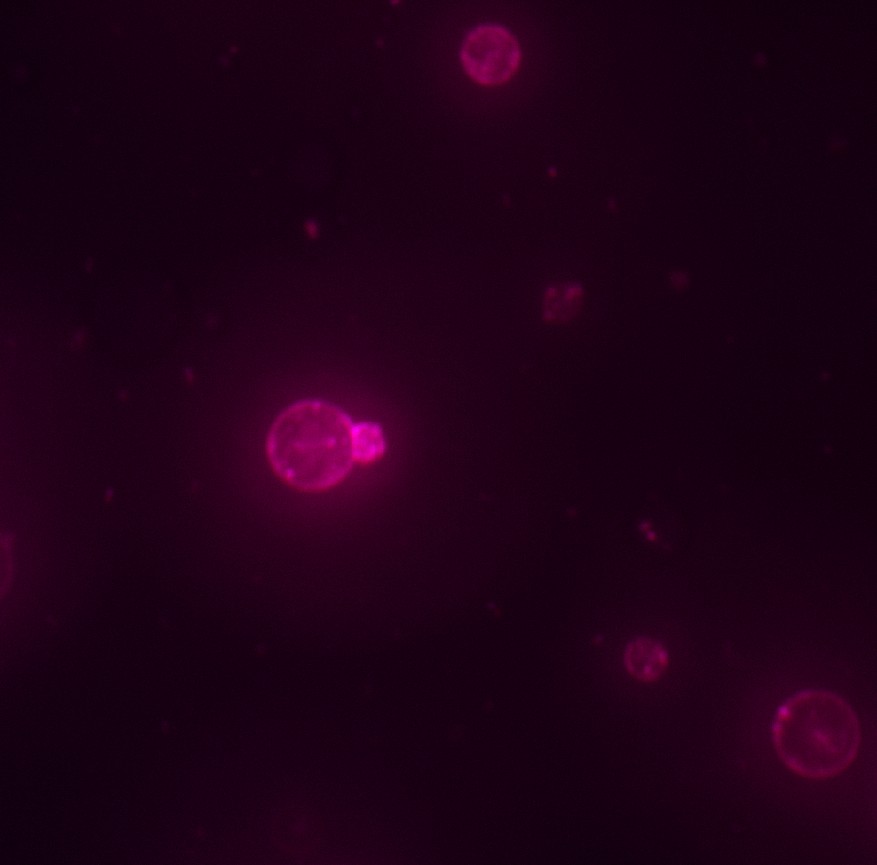
Researchers at the University of Minnesota have announced the creation of a synthetic cell, dubbed SpudCell, that can self-feed, grow, replicate its genetic material, and divide into new cells. This represents a significant advancement, as these functions were previously exclusive to naturally occurring living cells. Unlike prior attempts that modified existing bacteria, SpudCell was constructed entirely from non-living chemical components, with researchers defining each molecule used in its assembly. The cell features a microscopic spherical structure with a membrane similar to human cell membranes, enclosing a synthetic genome and a protein system for interpreting genetic instructions. SpudCell consumes nutrients by fusing with nutrient capsules, a process directed by its own genome. Its division mechanism also differs from natural cells, occurring without a cytoskeleton and instead relying on a specific protein to induce membrane rupture. While SpudCell can perform key cellular functions, it remains dependent on external supply for essential components like ribosomes, limiting its lifespan to five to ten generations without replenishment. Researchers emphasize that SpudCell is not considered a living organism due to its simplicity and manual construction, and the definition of life itself is debated. The study's preliminary findings have been released on a research platform and are currently undergoing peer review, with independent verification of results pending. Experts caution that conclusions should be treated as preliminary until formal publication and independent replication are achieved, highlighting the importance of peer review in scientific validation.
This development in synthetic biology, while preliminary, signifies a potential paradigm shift in understanding and engineering life's fundamental processes. The creation of SpudCell from scratch, rather than modifying existing organisms, highlights a growing capacity to design biological functions through chemical assembly. This approach could eventually lead to novel applications in medicine, materials science, and biotechnology, by enabling the construction of custom biological systems. However, the current dependence on external inputs and the limited lifespan of SpudCell underscore the immense complexity of natural cellular machinery. The researchers' cautious framing and the scientific community's emphasis on rigorous peer review are crucial for navigating the ethical and scientific implications of this frontier research, ensuring that claims are substantiated and potential risks are thoroughly assessed before widespread consideration or application.
AI-generated to prompt reflection — not editorial opinion, not advice, not a statement of fact. How this works.