Scientists Create Self-Replicating Synthetic Cell, Hinting at Artificial Life
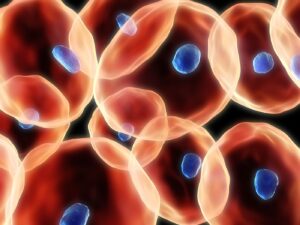
Researchers at the University of Minnesota have announced the creation of what they claim is the first fully synthetic cell, built entirely from scratch. This artificial cell has been observed completing its entire life cycle, including self-replication. The team has successfully replicated in chemistry the complex cellular behaviors previously only seen in biology. This breakthrough represents a significant step in understanding and potentially engineering life at a fundamental chemical level. The scientists believe this achievement demonstrates the possibility of creating artificial life forms. The work involved replicating the complete set of cellular behaviors through chemical processes. This development opens new avenues for research in synthetic biology and artificial life. The implications could extend to fields like medicine, materials science, and bio-engineering, by allowing for the design of novel biological systems. The University of Minnesota team's success marks a pivotal moment in the quest to understand and recreate life's processes.
This development in synthetic cell creation represents a significant advancement in the field of synthetic biology, potentially blurring the lines between chemistry and biology. The ability to engineer self-replicating cellular structures from non-living components raises profound questions about the definition of life and the future of biological engineering. From a systems perspective, this achievement could unlock new paradigms for designing bespoke biological machines for therapeutic or industrial applications. However, it also necessitates careful consideration of ethical frameworks and biosafety protocols as the technology matures, ensuring responsible innovation. The long-term implications for understanding cellular function and potentially creating novel life forms warrant continued scientific and societal dialogue.
AI-generated to prompt reflection — not editorial opinion, not advice, not a statement of fact. How this works.