Scientists Detect Natural Sugar in Cosmic Cloud, Hinting at Life's Building Blocks in Space
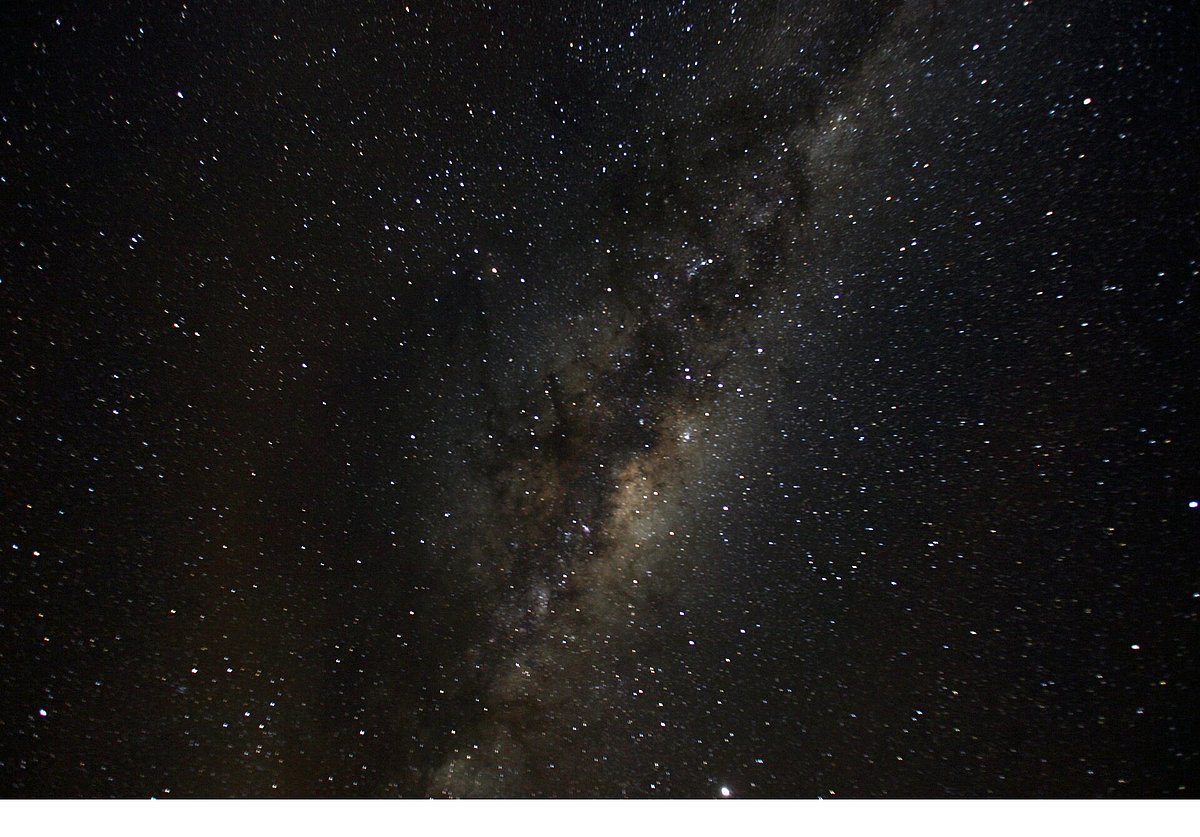
Scientists in Spain have identified a natural sugar, erythritol, within a vast dust cloud in our Milky Way galaxy. This sugar is similar to the one found in fruits like strawberries and raspberries. While this discovery does not suggest extraterrestrial fruit cultivation, it demonstrates that complex, life-essential compounds can form even in the extreme cold and vacuum of space. Researchers believe this natural sugar is produced through chemical reactions on tiny cosmic dust particles, which are then transported to planets by comets. Dr. Izaskun Jiménez-Serra from the Center for Astrobiology in Spain highlighted this as the first sugar detected in cosmic vacuum, emphasizing its significance in showing that such sugars are more common in the universe than previously thought, thus opening possibilities for life to evolve on other worlds similar to Earth. Using two radio telescopes in Spain, Jiménez-Serra's team observed a dust cloud near the galactic center, initially finding no trace of simple three-carbon sugars before detecting the signal for the four-carbon sugar erythritol. The research, published in Nature Astronomy, indicates that this reaction is possible at temperatures near minus 250 degrees Celsius, where two organic compounds, glycolaldehyde and ethylene glycol, combine on dust particles to form erythritol. These simple sugars are crucial for providing energy for life and serve as key components for RNA. Professor Yoshihiro Furukawa of Tohoku University noted that this direct discovery was long-awaited, suggesting that sugars formed in cosmic environments can reach Earth and other planets via comet dust, potentially facilitating the emergence of life if planetary conditions are conducive.
The detection of erythritol in a cosmic dust cloud provides compelling evidence that the fundamental chemical precursors for life can form and persist in interstellar environments. This finding shifts the perspective from life's origin being solely Earth-centric to a potentially universal process, driven by chemical reactions on dust grains under extreme conditions. The presence of these complex organic molecules, transported by comets, suggests a natural seeding mechanism for planetary bodies. This bolsters the astrobiological hypothesis that life's building blocks are widely distributed, increasing the probability of life's emergence elsewhere in the cosmos. Future research will likely focus on the abundance and diversity of such prebiotic molecules across different galactic regions and their potential role in the origin of life on exoplanets.
AI-generated to prompt reflection — not editorial opinion, not advice, not a statement of fact. How this works.