Scientists Detect Unseen Fireball Using Seismic and Infrasound Data
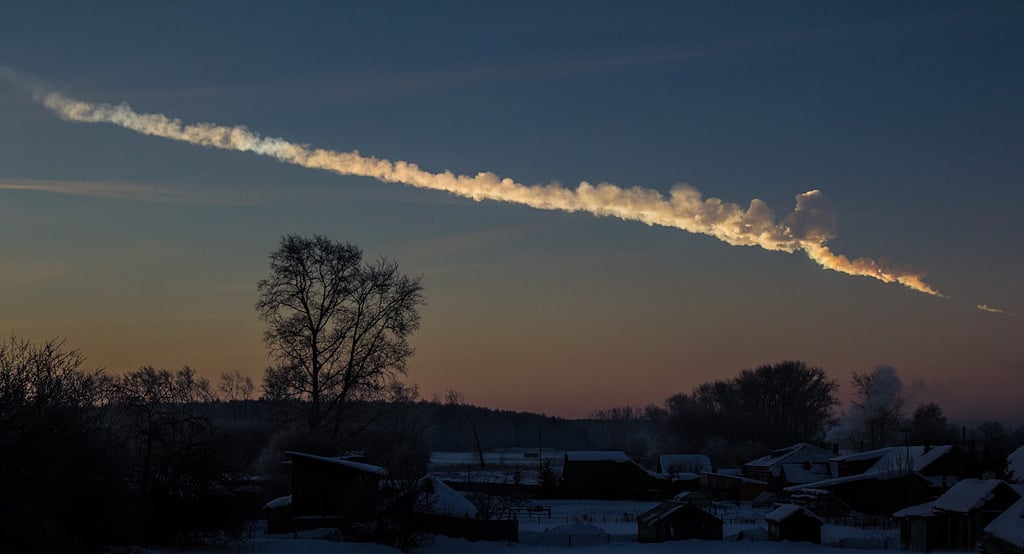
A fireball that appeared in the Alaskan sky during daylight hours was not captured by visual cameras. However, scientists were able to reconstruct the event's final moments by analyzing low-frequency sound waves, known as infrasound, and faint tremors detected by earthquake sensors. This innovative approach allowed researchers to gather crucial data about the object despite the lack of visual evidence. The findings suggest a novel method for monitoring potential threats from space, even when they are not visible to the naked eye or conventional cameras. This development could enhance early warning systems for celestial objects entering Earth's atmosphere.
This event highlights the potential for multi-modal sensing in planetary defense. Relying solely on visual detection systems may leave gaps, particularly for objects entering during daylight or obscured by atmospheric conditions. Integrating infrasound and seismic monitoring offers a complementary detection and characterization capability. Future systems could leverage these non-visual data streams to provide more robust and continuous surveillance of near-Earth objects, improving response times and risk assessment for potential impact events. This approach underscores the importance of diverse technological solutions in addressing complex, evolving threats.
AI-generated to prompt reflection — not editorial opinion, not advice, not a statement of fact. How this works.