Scientists Determine Dog Old Age Based on Breed Size and Quality of Life
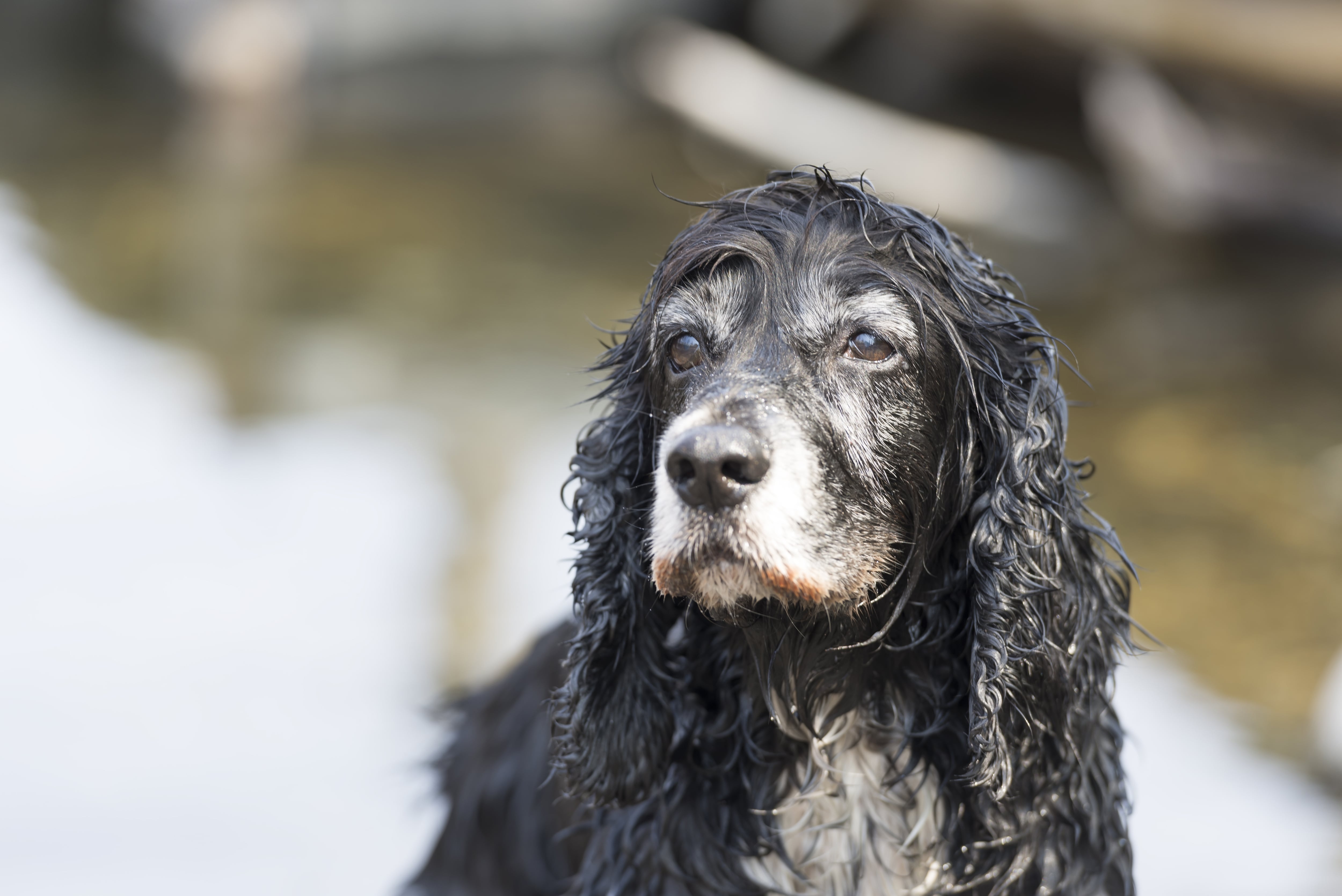
A recent study has shed light on the factors that determine when a dog is considered old, moving beyond simple chronological age. The research indicates that a dog's breed size and its overall quality of life are key determinants in assessing the onset of its senior years. Smaller breeds, for instance, may age differently than larger breeds, with variations in their life stages. The study emphasizes that a holistic approach, considering both physical characteristics and living conditions, is crucial for accurately evaluating a dog's age and well-being. This scientific perspective aims to provide a more nuanced understanding of canine aging. It suggests that the traditional notion of a fixed 'dog year' equivalent to human years may be an oversimplification. Instead, factors like diet, exercise, veterinary care, and environmental enrichment significantly influence how and when a dog enters its senior phase. Understanding these elements allows for more tailored care and attention as dogs approach and navigate their later lives. The findings encourage pet owners to observe their dogs closely and consult with veterinarians to best support their aging companions.
This research reframes canine aging from a purely age-based metric to a more complex interplay of biological and environmental factors. The emphasis on breed size and quality of life highlights how genetic predispositions interact with external conditions to shape an animal's life trajectory. This perspective aligns with broader scientific understanding of aging in many species, suggesting that a one-size-fits-all approach to assessing life stages is insufficient. For pet owners, this implies a need for personalized care strategies that acknowledge individual differences and the impact of lifestyle choices on longevity and healthspan. Looking ahead, this nuanced understanding could inform advancements in veterinary medicine, preventative care, and the development of age-specific nutritional and therapeutic interventions, potentially extending the healthy lifespan of companion animals.
AI-generated to prompt reflection — not editorial opinion, not advice, not a statement of fact. How this works.