Scientists Develop 3D Human Brain Tissue Model for Microglia Research
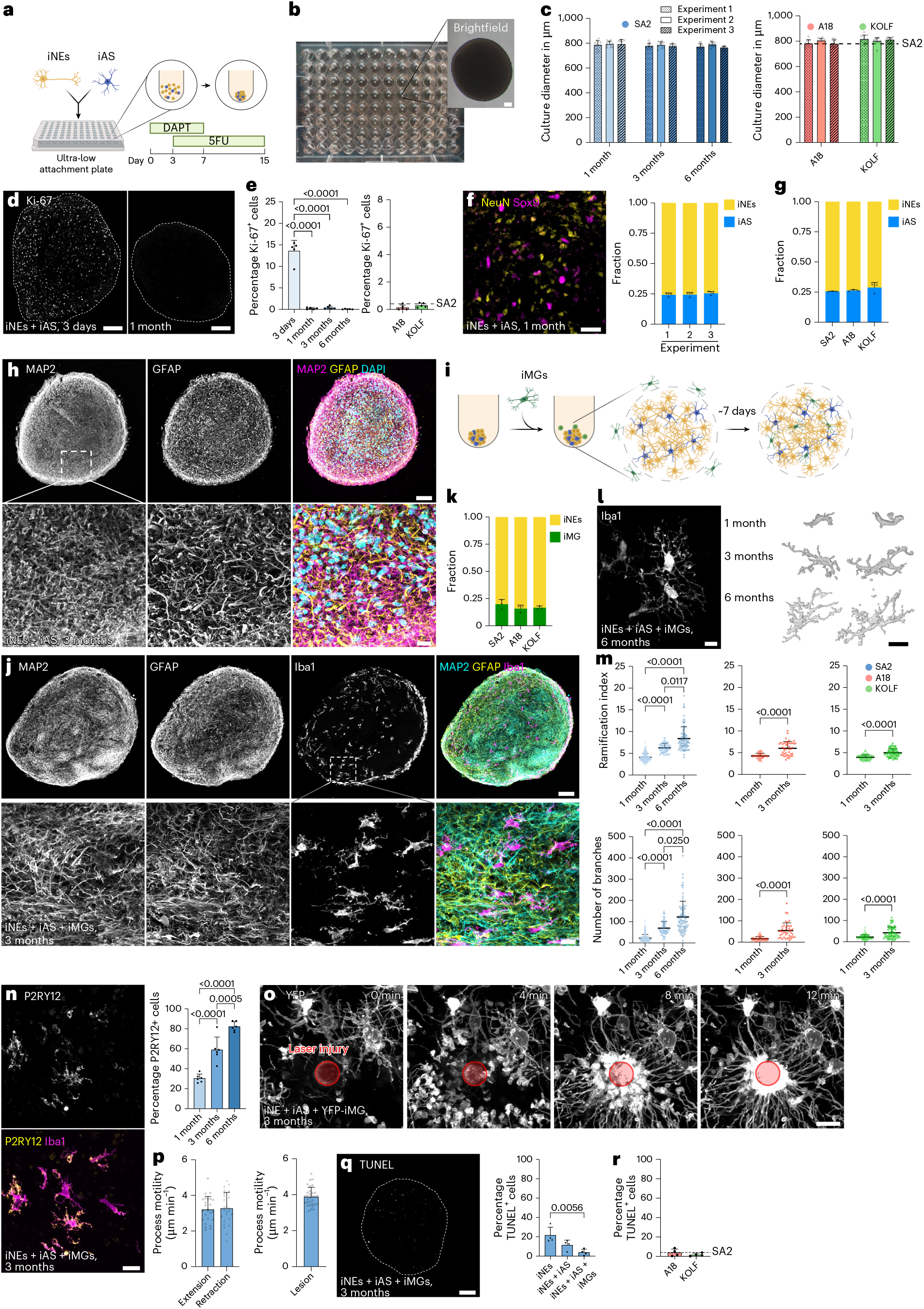
Researchers have successfully created a reproducible three-dimensional model of human brain tissue. This innovative model is designed to facilitate the investigation of microglia phenotypes, both in their normal physiological states and in conditions associated with disease. Microglia are the primary immune cells of the central nervous system, playing crucial roles in brain health and disease. Understanding their behavior in a more biologically relevant context is essential for advancing neuroscience. The development of this 3D model offers a significant step forward in studying these complex cells. It allows for a more accurate representation of the brain's microenvironment compared to traditional 2D cell cultures. This can lead to a deeper understanding of how microglia function and malfunction in various neurological disorders. The researchers aim to use this model to explore potential therapeutic targets for diseases affecting the brain. The reproducibility of the model ensures that findings can be reliably verified and built upon by other scientific teams. This advancement holds promise for accelerating the discovery of new treatments and diagnostic tools for a range of brain conditions.
The creation of a reproducible 3D human brain tissue model represents a significant methodological advancement in neuroscience research. By moving beyond 2D cultures, this model offers a more physiologically relevant environment for studying microglia, the brain's resident immune cells. This improved fidelity is critical for understanding the complex interplay between microglia and other brain cells, particularly in disease states. The focus on reproducibility suggests a commitment to robust scientific practice, aiming to ensure that findings are reliable and generalizable. This development could accelerate the identification of therapeutic targets by providing a more accurate preclinical testing ground, potentially reducing the attrition rate of drug candidates in later clinical trials. The model's ability to capture both physiological and disease-associated phenotypes allows for a nuanced investigation into the dual role of microglia – their protective functions and their contributions to pathology.
AI-generated to prompt reflection — not editorial opinion, not advice, not a statement of fact. How this works.
