Scientists Develop Breathable Hydrogel Mimicking Human Lung Function
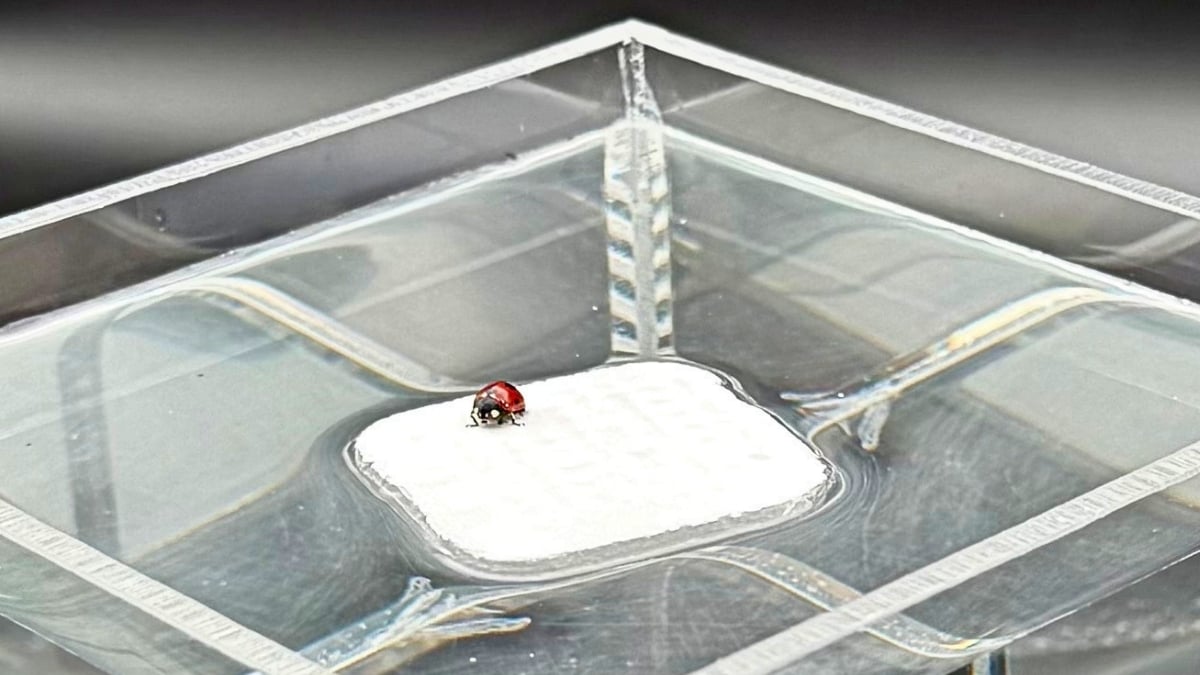
Researchers have engineered a novel 'breathable' hydrogel designed to enhance gas exchange while maintaining the crucial hydrated conditions necessary for cell survival. This innovation draws inspiration directly from the complex structure and function of human lungs. The development aims to improve the efficiency of processes that rely on effective gas transfer within a biological context. The hydrogel's properties are specifically tailored to facilitate the movement of gases, a critical factor in many biological and biomedical applications. By preserving the hydrated environment, the material supports the viability and function of cells embedded within or interacting with it. This breakthrough holds potential for advancements in areas requiring improved cellular respiration or gas transport mechanisms. The scientific community is exploring its applications in various fields, seeking to leverage its unique characteristics.
This development in biomaterials science represents a significant step towards creating artificial tissues that can better mimic biological functions. The creation of a 'breathable' hydrogel addresses a key challenge in tissue engineering: balancing gas permeability with the need for a hydrated, cell-friendly environment. Future applications could range from advanced wound dressings to more sophisticated organ-on-a-chip models for drug testing. The long-term impact will depend on scalability, biocompatibility in vivo, and the ability to integrate this material into more complex biological systems, potentially reducing reliance on animal models and accelerating therapeutic development.
AI-generated to prompt reflection — not editorial opinion, not advice, not a statement of fact. How this works.