Scientists Develop Heat-Resistant Chocolate to Withstand High Temperatures
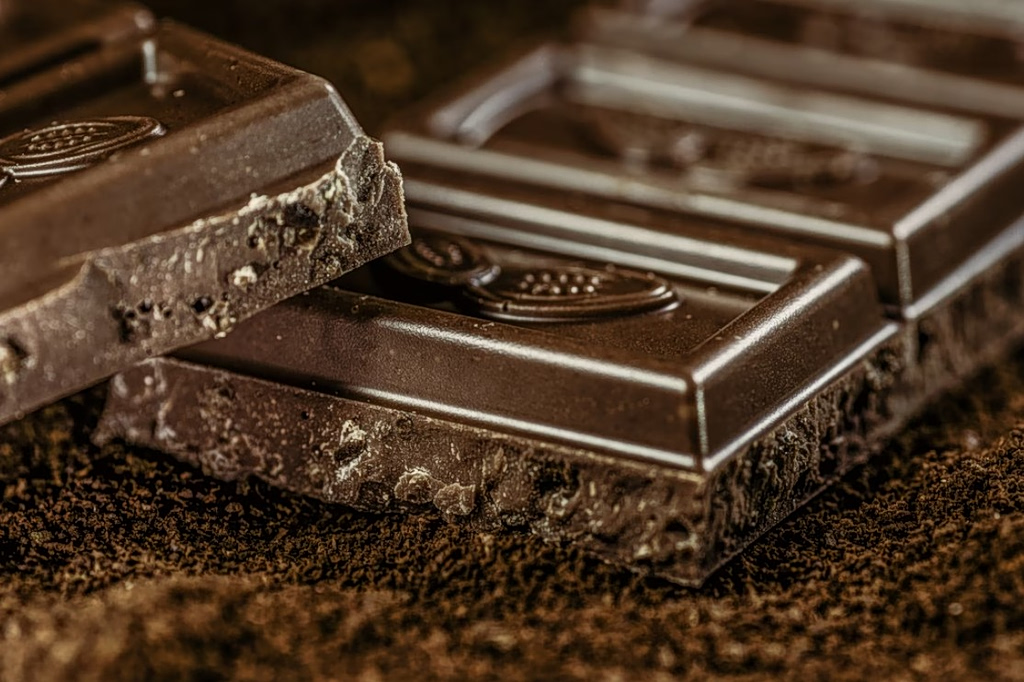
The food industry is actively exploring innovative techniques to create chocolate that can maintain its desirable taste and texture even under extreme heat. This scientific endeavor aims to overcome a common challenge with chocolate, which typically melts at relatively low temperatures. Researchers are investigating various methods to enhance the chocolate's stability, ensuring it remains solid and palatable during hot weather conditions. The goal is to preserve the sensory qualities consumers expect from chocolate, regardless of ambient temperature. These advancements could significantly impact chocolate production and consumption, particularly in warmer climates. The development focuses on modifying the chocolate's composition and structure to resist melting. This includes exploring new ingredients and processing methods. The ultimate aim is to provide a more resilient product that meets consumer needs in a changing climate.
The pursuit of heat-resistant chocolate reflects a broader trend of adapting food products to environmental challenges, particularly those exacerbated by climate change. This innovation addresses consumer convenience and reduces economic losses from spoilage due to heat. From a systems perspective, success in this area could lead to more resilient supply chains and expanded market opportunities for chocolate producers, especially in regions previously limited by temperature constraints. The underlying scientific principles involve material science and food engineering, aiming to alter the phase transition properties of chocolate. Future developments may integrate advanced encapsulation or molecular modification techniques to further enhance stability and potentially introduce novel functionalities, aligning with the technological trajectory of the AI era.
AI-generated to prompt reflection — not editorial opinion, not advice, not a statement of fact. How this works.