Scientists Develop Self-Destructing 'Living Plastic' That Degrades in Six Days
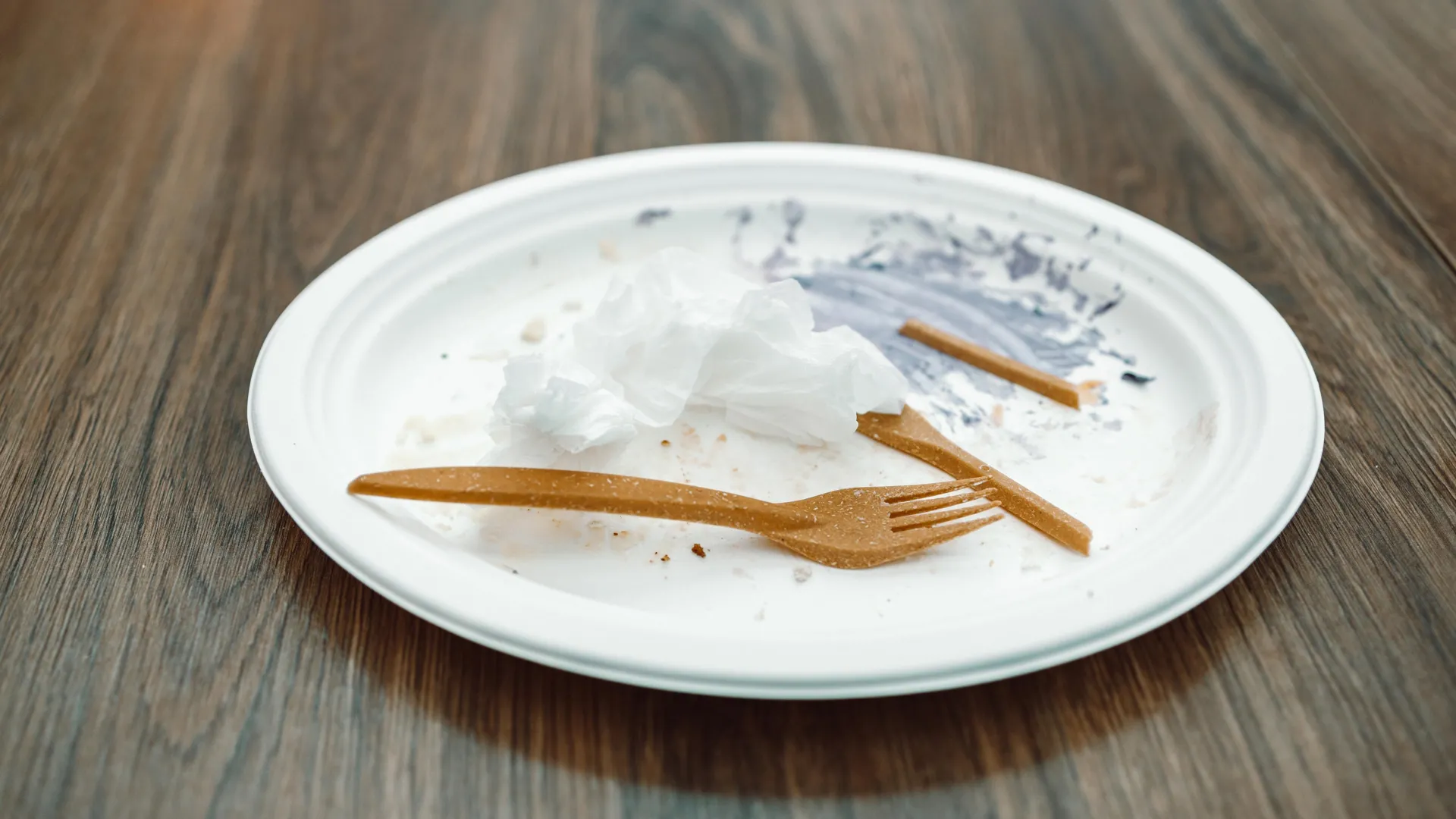
Researchers have engineered a novel "living plastic" that can completely break itself down within six days. This innovative material utilizes specially designed bacteria to achieve its self-destruction. A key advantage of this technology is its ability to degrade without leaving behind any harmful microplastics, a persistent environmental pollutant. The development offers a promising new avenue for tackling the pervasive issue of single-use plastic waste. The material's rapid decomposition and lack of microplastic residue present a significant advancement in sustainable materials science. This breakthrough could lead to more environmentally friendly alternatives for various applications currently reliant on conventional plastics. The research team's work addresses a critical global challenge by creating a material that is designed for obsolescence and safe disposal.
This development in biodegradable materials addresses the critical environmental challenge posed by microplastic pollution. By engineering bacteria to facilitate the complete degradation of plastic within a short timeframe, the researchers are exploring a novel approach to waste management. The system's design, which activates decomposition upon specific triggers, suggests a controlled lifecycle for the material. Future considerations for this technology will likely involve scaling production, ensuring the engineered bacteria remain contained and effective only in the intended disposal environments, and assessing the full life-cycle environmental impact compared to existing alternatives. The long-term viability will depend on cost-effectiveness and integration into current waste management infrastructures.
AI-generated to prompt reflection — not editorial opinion, not advice, not a statement of fact. How this works.