Scientists Discover East Asia's Tallest Tree and Hidden Forests in Taiwan
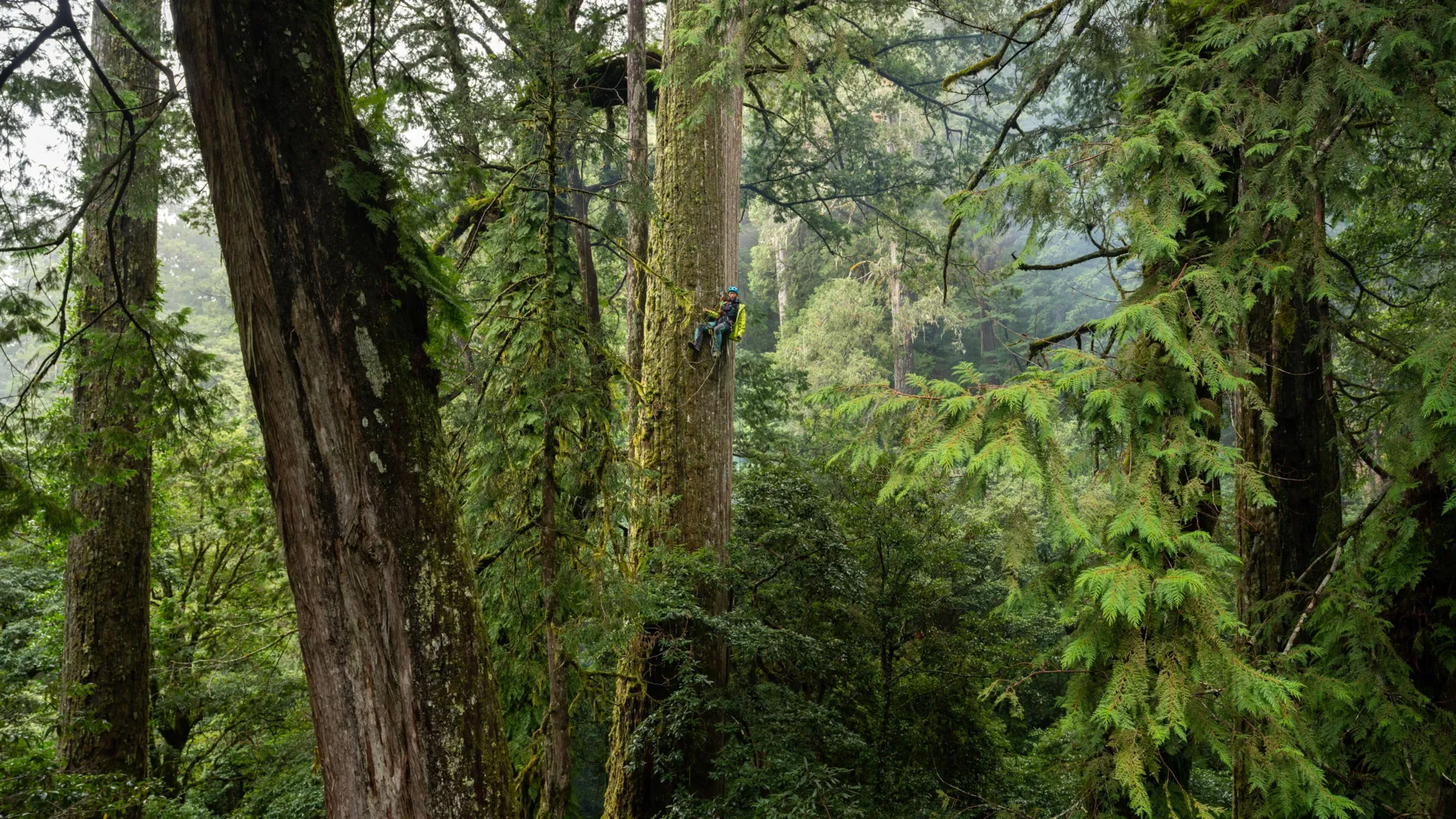
An international team of scientists has discovered an 84.1-meter (276-foot) Taiwania fir, the tallest known tree in East Asia, hidden within Taiwan's remote and steep mountains. This significant find was the result of years of challenging expeditions, advanced LiDAR mapping technology, and collaborative efforts with citizen scientists. The researchers also identified dense clusters of these giant trees, described as "temples of giants," where numerous enormous trees grow in close proximity. These ancient forests are recognized as some of the most carbon-rich ecosystems globally, highlighting their immense ecological importance. The discovery underscores the potential for significant biodiversity and ecological treasures to remain undiscovered in challenging terrains.
The discovery of a new record-holding tree and previously undocumented old-growth forests in Taiwan highlights the critical role of technological advancements like LiDAR in ecological surveying. It also emphasizes the value of persistent scientific inquiry and citizen engagement in uncovering hidden natural resources. These findings underscore the potential for significant carbon sequestration in such ecosystems, offering insights into natural climate solutions. The existence of these "temples of giants" raises questions about conservation strategies for remote, biodiverse areas and the long-term resilience of such unique environments in the face of climate change and potential human encroachment. Future research could explore the specific ecological dynamics that allow for such exceptional tree growth and the broader implications for global carbon cycle models.
AI-generated to prompt reflection — not editorial opinion, not advice, not a statement of fact. How this works.
