Scientists Discover First Contagious Cancer in Fish: Tumor Cells Transmit Between Animals
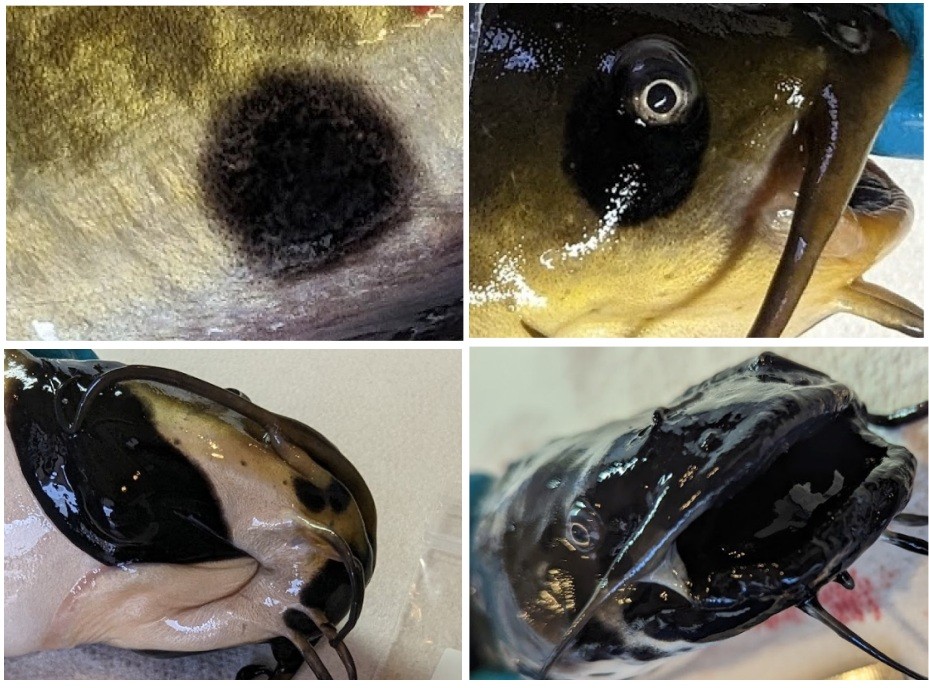
Researchers from the University of Vermont have identified the first known contagious cancer among fish, a melanoma affecting brown bullheads in Lake Memphremagog, which straddles the US-Canada border. Unlike typical cancers that arise independently within an individual, these tumor cells are transmitted directly from one fish to another. This behavior, previously documented in only three other animal groups, means the cancerous cells act more like a parasite than a traditional tumor. The study, published in the journal Nature, revealed that the melanoma plaguing the bullheads was genetically more similar to the tumors of other affected fish than to the healthy tissue of the fish carrying it. This finding challenges the definition of cancer, as tumor DNA is expected to match the host's DNA, albeit with additional mutations. Genome sequencing of 686,296 positions revealed that 59% of the genetic alterations in the tumors were identical across multiple fish, a stark contrast to the healthy tissue where 83.4% of alterations were unique to each individual. This suggests the tumors originated from a single ancestral fish prior to 2015. While the exact transmission mechanism remains unknown, hypotheses involve reproductive processes. The researchers found no evidence of viral or bacterial agents causing the outbreak, reinforcing the conclusion that the cancer cells themselves are the infectious agent. This discovery is significant as it marks the first instance of contagious cancer in a fish species and in a freshwater environment. Previous documented cases include a transmissible venereal tumor in dogs, a facial tumor in Tasmanian devils, and a leukemia-like cancer in bivalve mollusks. Despite the alarming nature of contagious cancer, oncologists emphasize that this phenomenon has never been recorded in humans and poses no known threat to human health, even through consumption of affected fish, as digestive processes would degrade the cells. The primary scientific interest lies in understanding how these tumor cells evade the immune systems of new hosts, a mechanism that could offer future clinical applications in cancer therapy. Ecologically, the discovery highlights potential conservation concerns for the affected species and alters how wildlife health agencies monitor wild animal populations, now requiring investigation into transmission dynamics for observed tumors.
This discovery of contagious cancer in fish represents a significant biological anomaly, prompting a re-evaluation of cancer as a disease entity. The key finding that tumor cells can successfully evade immune surveillance across different individuals and species challenges established understandings of host-pathogen dynamics and immune system function. From a future-oriented perspective, understanding the sophisticated mechanisms by which these cancer cells achieve inter-organismal transmission and survival could yield critical insights for developing novel immunotherapies. This could involve identifying novel immune evasion strategies that might be leveraged to enhance the efficacy of current cancer treatments in humans. Furthermore, the ecological implications for species conservation in closed environments like lakes warrant attention, as contagious diseases can rapidly decimate vulnerable populations. The research underscores the importance of comparative biology in uncovering fundamental biological processes that may have broad applications.
AI-generated to prompt reflection — not editorial opinion, not advice, not a statement of fact. How this works.