Scientists Discover How Bacteria Create Anti-Cancer Drugs, Paving Way for New Treatments
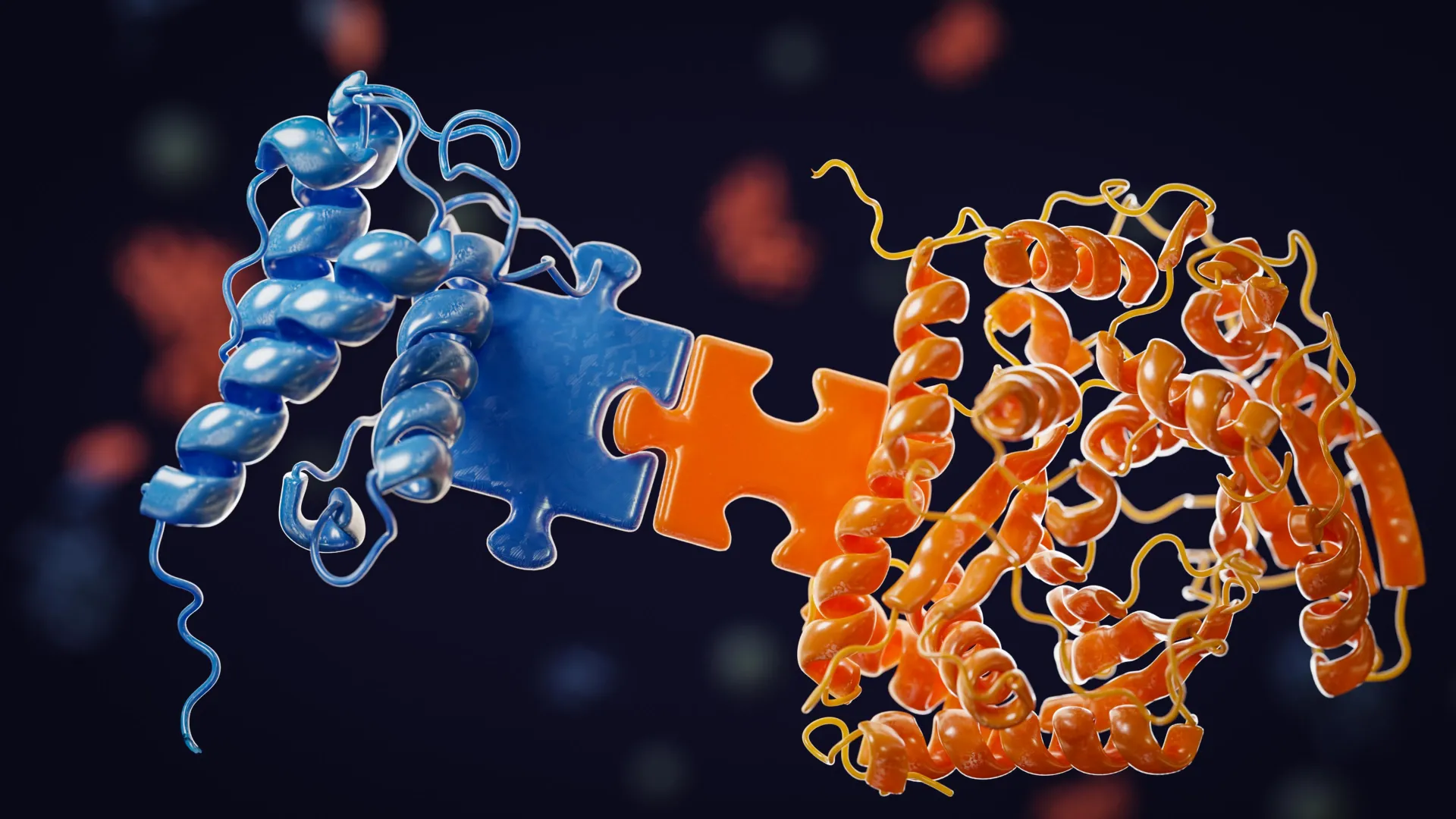
Researchers have successfully decoded the natural mechanisms bacteria use to produce multiple variations of potent anti-cancer drugs. This breakthrough offers a significant advancement in the field of drug discovery, potentially simplifying the process of developing novel cancer therapies. The findings could lead to the creation of new medicines inspired by nature's own designs. Furthermore, this discovery may enable the engineering of improved versions of existing anti-cancer medications. The ability to understand and replicate these bacterial processes opens up new avenues for pharmaceutical innovation in the fight against cancer. Scientists are hopeful that this research will accelerate the development of more effective and potentially more targeted cancer treatments.
This scientific advancement highlights the potential for bio-inspired drug development by understanding natural biosynthetic pathways. By deciphering how bacteria generate diverse anti-cancer compounds, researchers can leverage these mechanisms for synthetic biology approaches. This could lead to more efficient and cost-effective production of existing drugs and the discovery of novel therapeutic agents. The long-term implications suggest a shift towards more sustainable and nature-driven pharmaceutical research, potentially reducing reliance on complex chemical synthesis. Future research will likely focus on optimizing these engineered pathways for scalability and therapeutic efficacy, considering the evolving landscape of precision medicine and the increasing demand for advanced cancer treatments.
AI-generated to prompt reflection — not editorial opinion, not advice, not a statement of fact. How this works.