Scientists Discover How the Brain Achieves True Multitasking
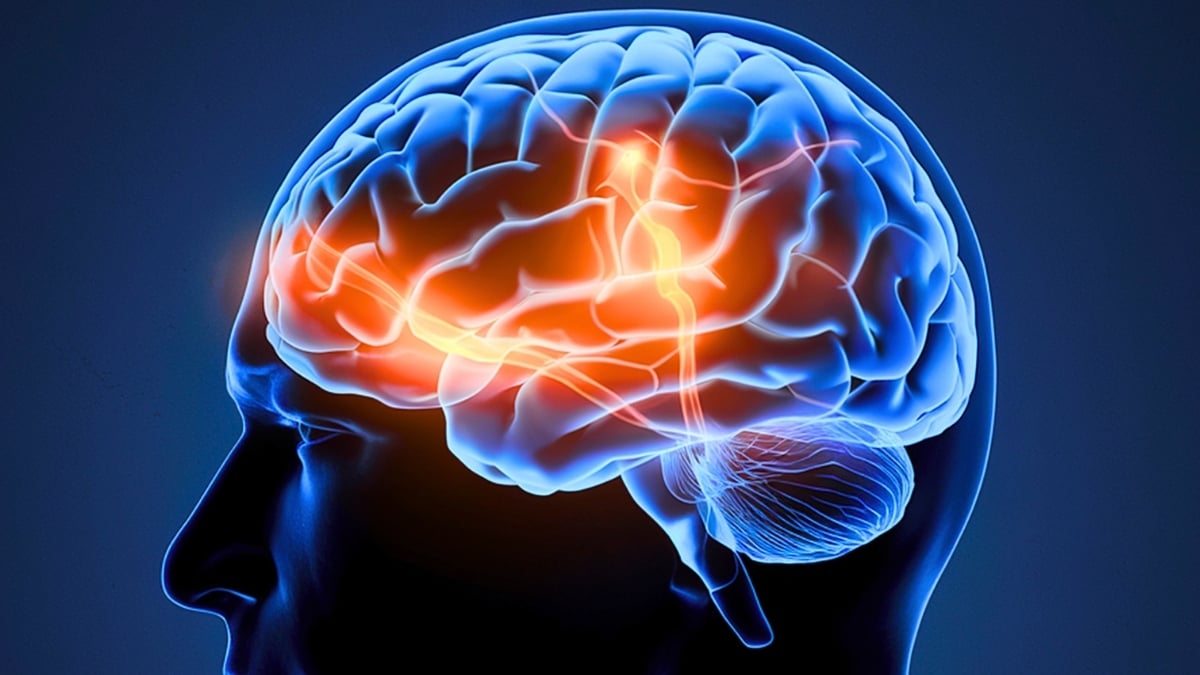
Contrary to popular belief, the human brain is capable of genuine multitasking, according to recent scientific revelations. Researchers have identified the mechanisms that allow individuals to effectively perform multiple tasks simultaneously. This finding challenges the long-held notion that multitasking is merely an illusion of rapidly switching between tasks. The study, detailed in ScienceAlert, suggests that specific neural pathways and cognitive processes are engaged when performing true multitasking. This breakthrough could have significant implications for understanding human cognition and optimizing task management strategies. Further research is expected to explore the limits and potential applications of this newly understood capability. The ability to multitask has been a subject of debate for years, with many experts previously arguing it was impossible. However, this new evidence points towards a more complex reality of brain function. The implications for education, work, and daily life are substantial, potentially leading to new methods for improving productivity and learning.
This research reframes multitasking from a cognitive illusion to a demonstrable brain function, potentially altering our understanding of human efficiency. The scientific validation of true multitasking suggests that current work structures, often designed around serial task completion, may not align with our inherent cognitive capabilities. Future considerations could involve optimizing environments and workflows to leverage this ability, rather than suppressing it through task-switching paradigms. This discovery prompts a re-evaluation of productivity metrics and cognitive load management in the context of emerging AI-driven workforces, where human-machine collaboration will be paramount.
AI-generated to prompt reflection — not editorial opinion, not advice, not a statement of fact. How this works.