Scientists Discover Method to Mass-Produce Cancer-Fighting Immune Cells
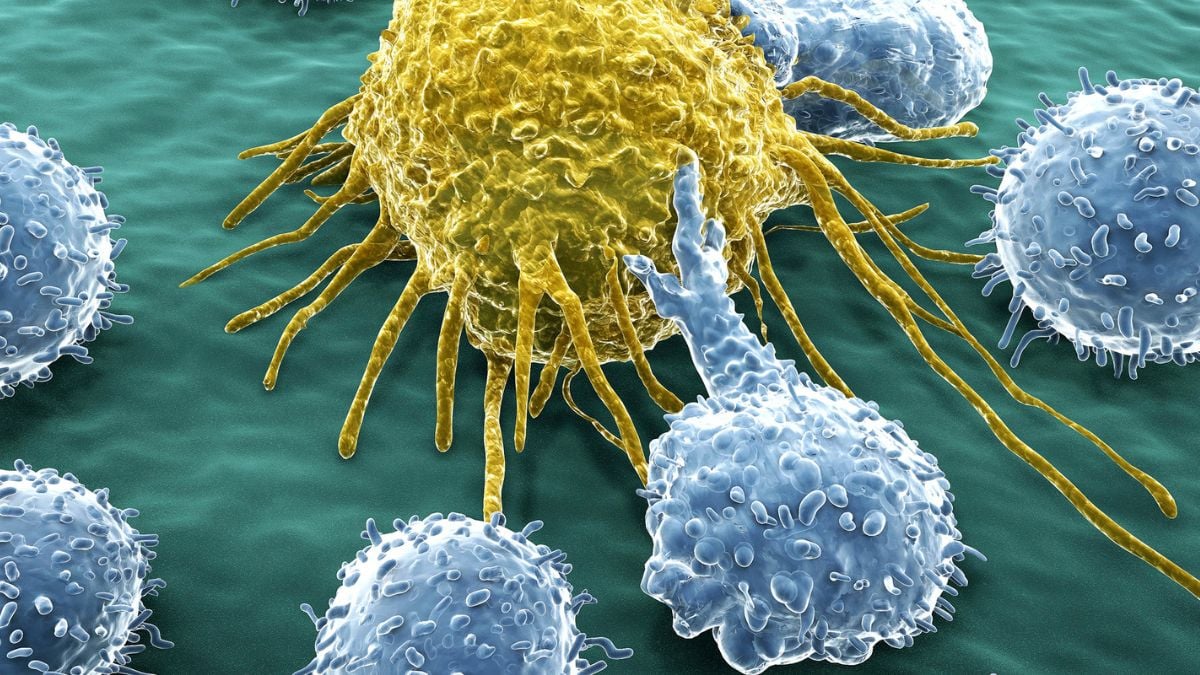
Researchers have identified a way to generate an "endless army" of specific immune cells, known as macrophages, which play a crucial role in fighting cancer. These "big eaters" are a type of white blood cell that engulfs and digests cellular debris, foreign substances, cancer cells, and anything else that does not have the right proteins on its surface. The breakthrough involves a technique that allows for the continuous production of these vital cells. This discovery holds significant promise for developing new and more effective cancer therapies. The ability to create a large, sustainable supply of these cancer-fighting cells could revolutionize how oncologists approach treatment. Further research and clinical trials will be necessary to fully explore the therapeutic potential of this finding. The development marks a significant step forward in the field of immunotherapy.
The development of a method for mass-producing cancer-fighting macrophages represents a potential paradigm shift in oncology. By enabling a consistent and scalable supply of these immune cells, the research addresses a key logistical challenge in cellular therapies. This innovation could significantly enhance the efficacy of immunotherapies by providing the body with a robust defense mechanism against malignant cells. Future advancements may focus on optimizing the targeting capabilities of these macrophages and integrating them into personalized treatment regimens. The long-term implications suggest a future where the body's own immune system is more effectively harnessed to combat diseases like cancer, potentially reducing reliance on more toxic traditional treatments.
AI-generated to prompt reflection — not editorial opinion, not advice, not a statement of fact. How this works.