Scientists Discover Planet Reborn After Its Star's Demise
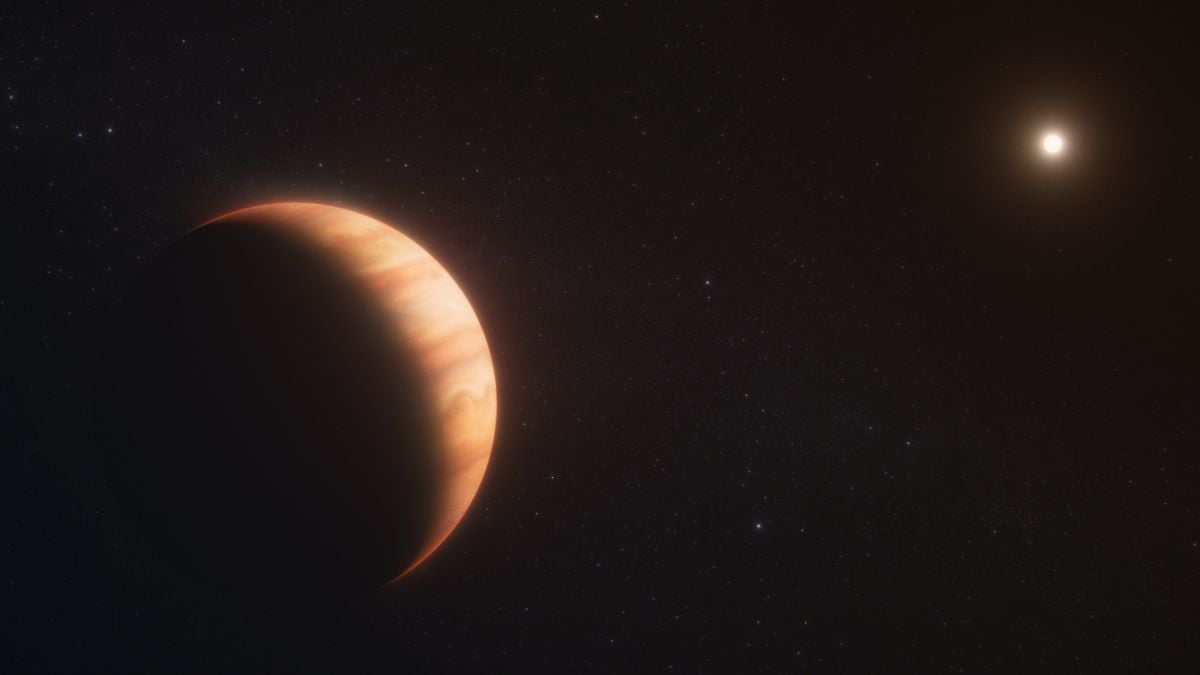
Astronomers have identified a planet that has experienced a remarkable second life after its host star entered its final stages. This discovery offers a glimmer of hope for the potential habitability of planets, even in the face of stellar evolution. The planet's survival and subsequent 'rebirth' suggest that planetary systems can be more resilient than previously understood. This finding challenges existing models of stellar and planetary lifecycles. Further research into this unique celestial body could provide crucial insights into the long-term prospects for life beyond Earth. The implications for astrobiology and the search for extraterrestrial life are significant. Scientists are eager to study the conditions that allowed this planet to persist and potentially thrive after such a dramatic stellar event. This discovery underscores the dynamic and often surprising nature of the cosmos.
This discovery highlights the dynamic nature of stellar and planetary evolution, suggesting that planetary systems may possess greater resilience than previously assumed. The event prompts consideration of the long-term viability of exoplanets within evolving stellar environments. Understanding the specific conditions enabling this planet's 'second life' could refine models of habitability and the potential for life to persist or emerge under diverse cosmic circumstances. This challenges a deterministic view of stellar death as an absolute end for planetary existence and opens avenues for exploring alternative pathways to long-term habitability across the galaxy.
AI-generated to prompt reflection — not editorial opinion, not advice, not a statement of fact. How this works.