Scientists Discover Potential Cause of Statin Muscle Pain, Hinting at Future Treatments
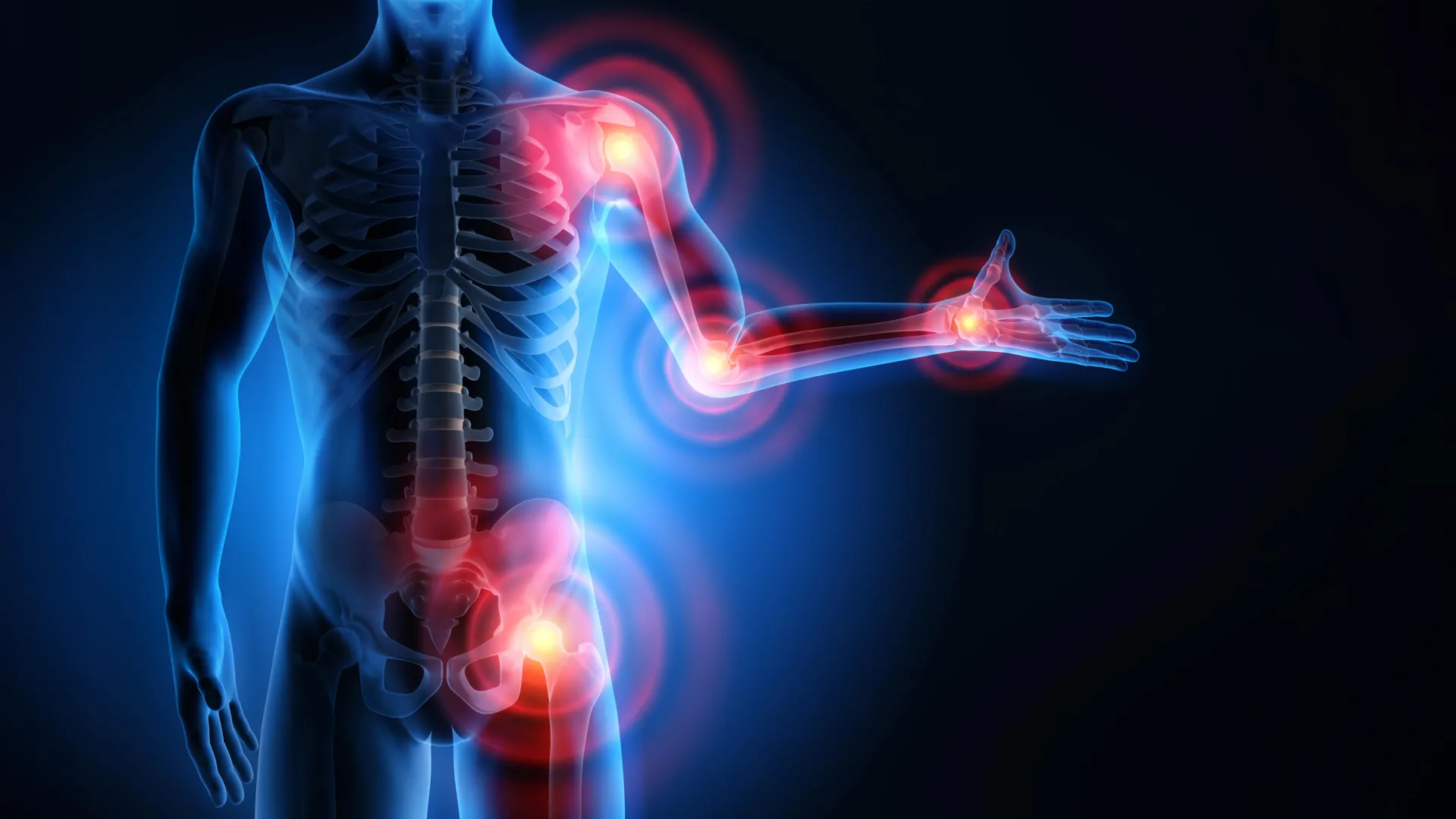
Researchers have pinpointed an immune system reaction that may be responsible for the muscle pain, weakness, and reduced exercise capacity experienced by some individuals taking statins. This significant discovery opens the door to developing new therapies aimed at preventing these adverse effects. The ultimate goal is to enable patients to continue benefiting from statins' crucial role in cardiovascular health without suffering debilitating muscle issues. Statins are widely prescribed to lower cholesterol and reduce the risk of heart attacks and strokes. However, a subset of patients reports experiencing myopathy, a condition affecting muscle tissue. This new research suggests that the body's own immune system might be mistakenly targeting muscle cells in response to the medication. By understanding this specific immune pathway, scientists hope to devise interventions that specifically block this response. Such treatments could preserve the cholesterol-lowering and plaque-stabilizing effects of statins. This would ensure that patients maintain the protective cardiovascular benefits of these essential drugs. The development of targeted therapies could significantly improve the quality of life for many patients currently struggling with statin-induced muscle pain.
This research addresses a critical unmet need in cardiovascular pharmacotherapy, potentially resolving a significant barrier to statin adherence for a portion of the patient population. By identifying an immune-mediated mechanism, the study shifts the focus from direct drug toxicity to a complex host-drug interaction. Future therapeutic strategies could involve immunomodulatory agents or targeted interventions to mitigate this specific immune response. This approach offers a more nuanced solution than simply discontinuing statins, thereby preserving their well-established benefits in preventing cardiovascular events. The long-term implication is a more personalized and tolerable approach to lipid-lowering therapy, enhancing patient outcomes and potentially reducing the burden of cardiovascular disease.
AI-generated to prompt reflection — not editorial opinion, not advice, not a statement of fact. How this works.