Scientists Discover Potential Molecular Trigger for Age-Related Brain Diseases
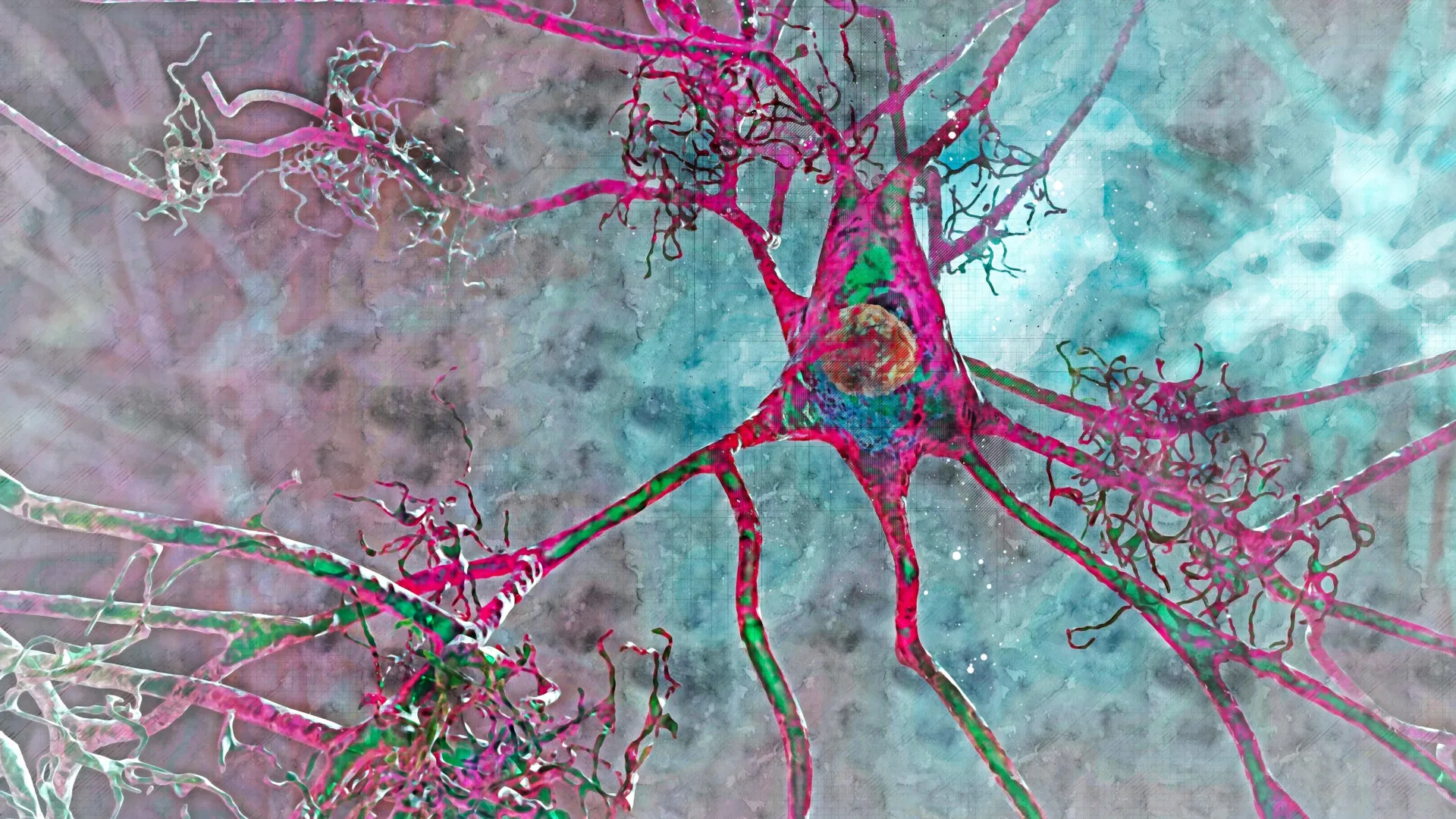
Researchers have identified a molecular switch that could explain why the aging brain becomes more susceptible to neurodegenerative diseases like ALS and Huntington's. Studies in worms revealed that the protein EPS8 accumulates as organisms age. This buildup initiates signaling pathways that promote the aggregation of toxic proteins, leading to neuron damage and a reduced lifespan. The scientists found that inhibiting EPS8 activity effectively prevented these harmful protein clumps from forming. This intervention also helped to maintain normal nerve function in the aging worms. The discovery offers a potential new target for understanding and treating age-related neurological conditions.
This research highlights a specific protein, EPS8, as a potential key factor in the aging brain's increased vulnerability to neurodegenerative diseases. By identifying this molecular switch, scientists are exploring mechanisms that could lead to novel therapeutic strategies. The findings in model organisms suggest a link between protein aggregation, neuronal damage, and the aging process. Future research will likely focus on whether these mechanisms are conserved in humans and if targeting EPS8 could offer a viable treatment pathway for conditions like ALS and Huntington's. Understanding such molecular drivers is crucial for developing interventions that promote healthy brain aging and mitigate disease risk.
AI-generated to prompt reflection — not editorial opinion, not advice, not a statement of fact. How this works.
