Scientists Discover Unprecedented Amounts of Invisible Gold on the Seafloor
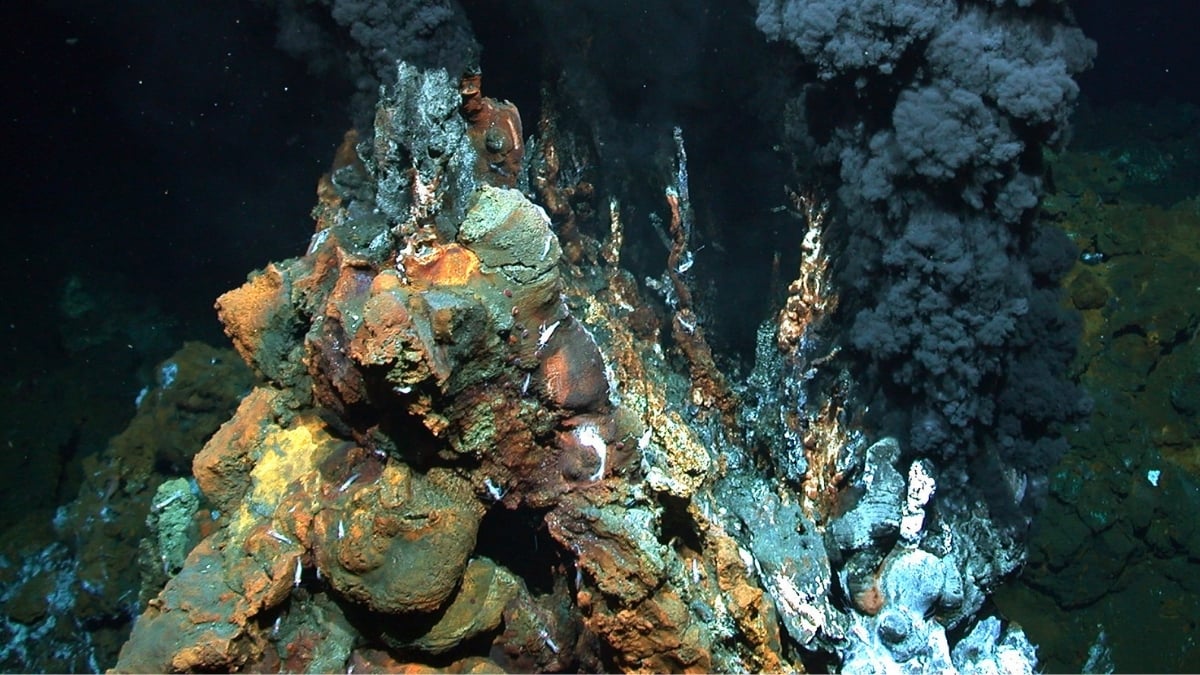
Researchers have identified significant quantities of invisible gold particles dispersed within sediments on the seafloor. These findings represent record-breaking concentrations of the precious metal, raising questions about the potential for deep-sea mining. The gold, in its microscopic and dispersed form, was found embedded in the seabed. While the discovery highlights a previously underestimated resource, it also prompts a critical discussion regarding the feasibility and environmental implications of extracting such materials. The scientific community is now debating whether these newfound deposits should be exploited, considering the technological challenges and ecological impacts associated with deep-sea mining operations. This discovery could reshape our understanding of gold distribution and availability.
The discovery of substantial gold concentrations on the seafloor presents a novel resource potential that intersects with evolving deep-sea exploration technologies. While the economic incentives for extraction are clear, the primary challenge lies in balancing resource acquisition with environmental stewardship. Future seabed mining operations will need robust regulatory frameworks and advanced ecological impact assessments to mitigate potential damage to marine ecosystems. The long-term sustainability of such ventures will depend on developing extraction methods that minimize disruption and on a global consensus regarding the preservation of deep-sea biodiversity.
AI-generated to prompt reflection — not editorial opinion, not advice, not a statement of fact. How this works.