Scientists Discover Viral 'Footprint' That Aids Disease Spread
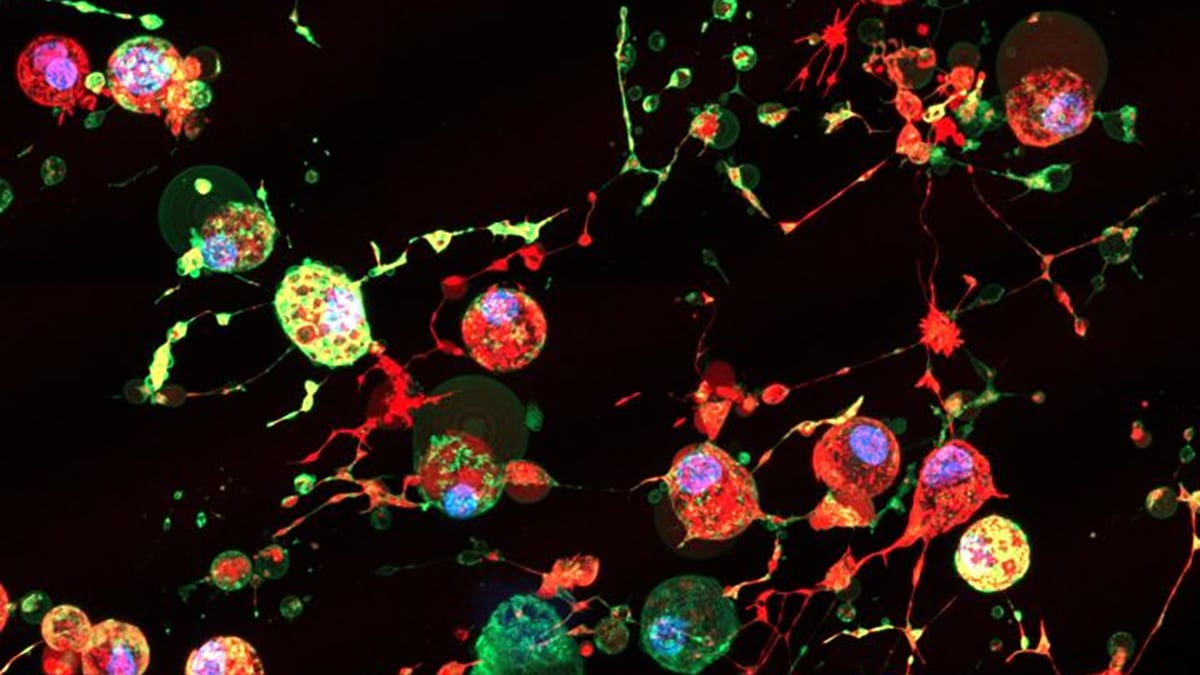
Researchers have identified a previously unknown mechanism that facilitates the spread of viruses. This newly discovered 'footprint' acts as a critical pathway, enabling viruses to move more effectively between hosts or environments. The implications of this finding are significant for understanding and potentially controlling the transmission of various infectious diseases. Further research is expected to explore the precise nature of this footprint and its role in different viral outbreaks. The discovery highlights the complex and often hidden ways pathogens evolve to ensure their survival and propagation. This scientific breakthrough could lead to new strategies for developing antiviral therapies and public health interventions. The team behind the discovery emphasizes the need for continued vigilance and scientific investigation into viral transmission dynamics. Understanding these subtle mechanisms is crucial for future pandemic preparedness.
This discovery illuminates a novel transmission vector for viruses, moving beyond traditional understanding of airborne or direct contact spread. The identification of a 'footprint' suggests a potential vulnerability in viral propagation that could be targeted by future interventions. Understanding the physical or chemical properties of this footprint and the biological processes it exploits will be key to developing effective countermeasures. This finding underscores the ongoing evolutionary arms race between pathogens and host defenses, emphasizing the need for continuous scientific research to anticipate and mitigate emerging infectious threats in the coming decade.
AI-generated to prompt reflection — not editorial opinion, not advice, not a statement of fact. How this works.