Scientists Explore Artificial Cloud Brightening to Weaken Super El Niño Events
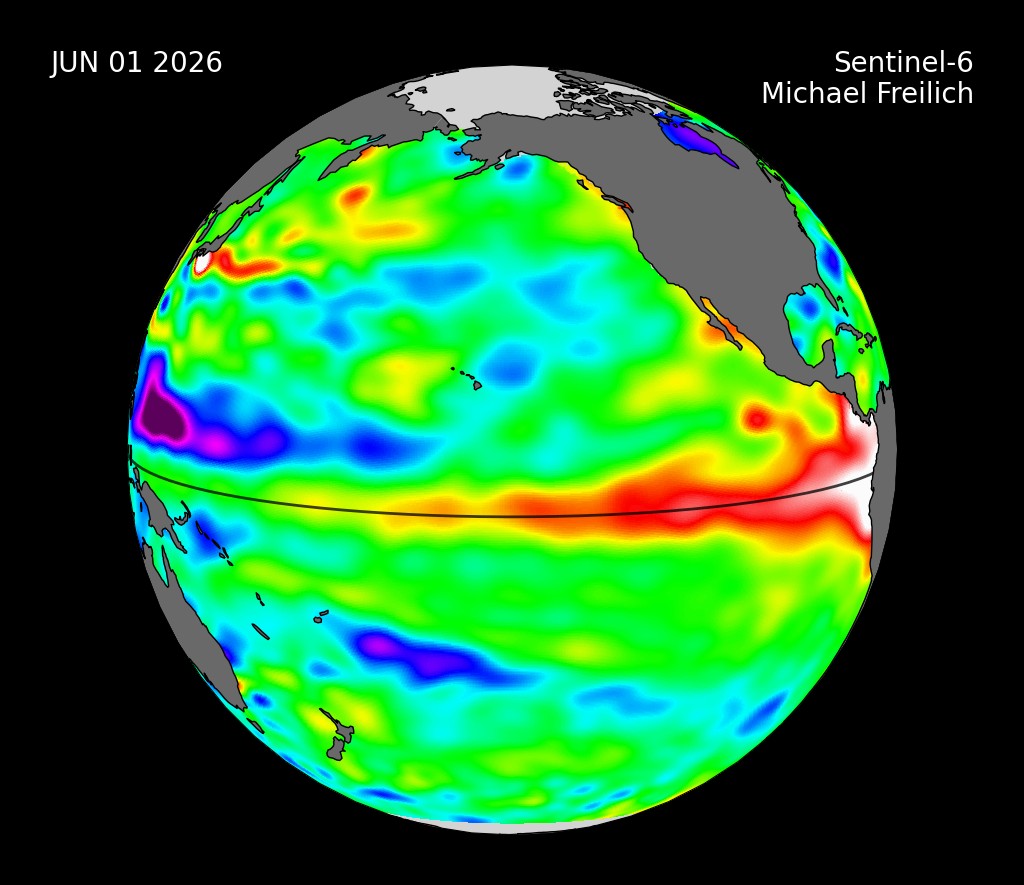
A recent study published in "Science Advances" explores the theoretical possibility of using artificial cloud brightening to mitigate the impact of super El Niño events. This concept was inspired by a natural phenomenon during Australia's "Black Summer" wildfires in 2019-2020, where massive smoke plumes altered Pacific cloud behavior, potentially contributing to a subsequent La Niña phase. Researchers simulated the effect of marine cloud brightening (MCB) – spraying sea salt particles to make low clouds more reflective – on two powerful El Niño events from 1997-1998 and 2015-2016. The simulations indicated that applying MCB early and consistently during the El Niño formation phase could weaken the phenomenon. This approach differs from other solar geoengineering proposals as it aims to act only during the few months of El Niño formation, rather than indefinitely. However, the study also identified a potential side effect: earlier and possibly more intense La Niña events. The researchers, including Jessica Wan and Katharine Ricke, emphasize that this is a proof-of-concept and has not been tested in the real world. Independent experts urge caution, noting the complexity of the climate system and the need for significantly more evidence before any practical application could be considered. Despite the uncertainties, the potential to mitigate the trillions of dollars in economic losses caused by major El Niño events makes this area of research compelling.
This research probes the potential of targeted geoengineering to manage natural climate variability, specifically El Niño. By observing an accidental climate intervention from wildfires, scientists are investigating whether controlled marine cloud brightening could act as a temporary buffer against severe El Niño impacts. The core challenge lies in the inherent complexity and interconnectedness of Earth's climate systems; interventions designed to mitigate one phenomenon may trigger unforeseen consequences elsewhere, such as altering the intensity or timing of subsequent La Niña events. This highlights a critical trade-off in climate management: balancing the desire for immediate risk reduction against the long-term uncertainties and potential systemic disruptions of active climate intervention. As the planet faces more extreme weather events due to climate change, exploring such novel approaches, while proceeding with extreme caution and rigorous validation, becomes a necessary, albeit controversial, part of developing a comprehensive climate resilience strategy for the coming decades.
AI-generated to prompt reflection — not editorial opinion, not advice, not a statement of fact. How this works.