Scientists Explore Enzyme to Reverse Aging in Human Tissue by Clearing Accumulations
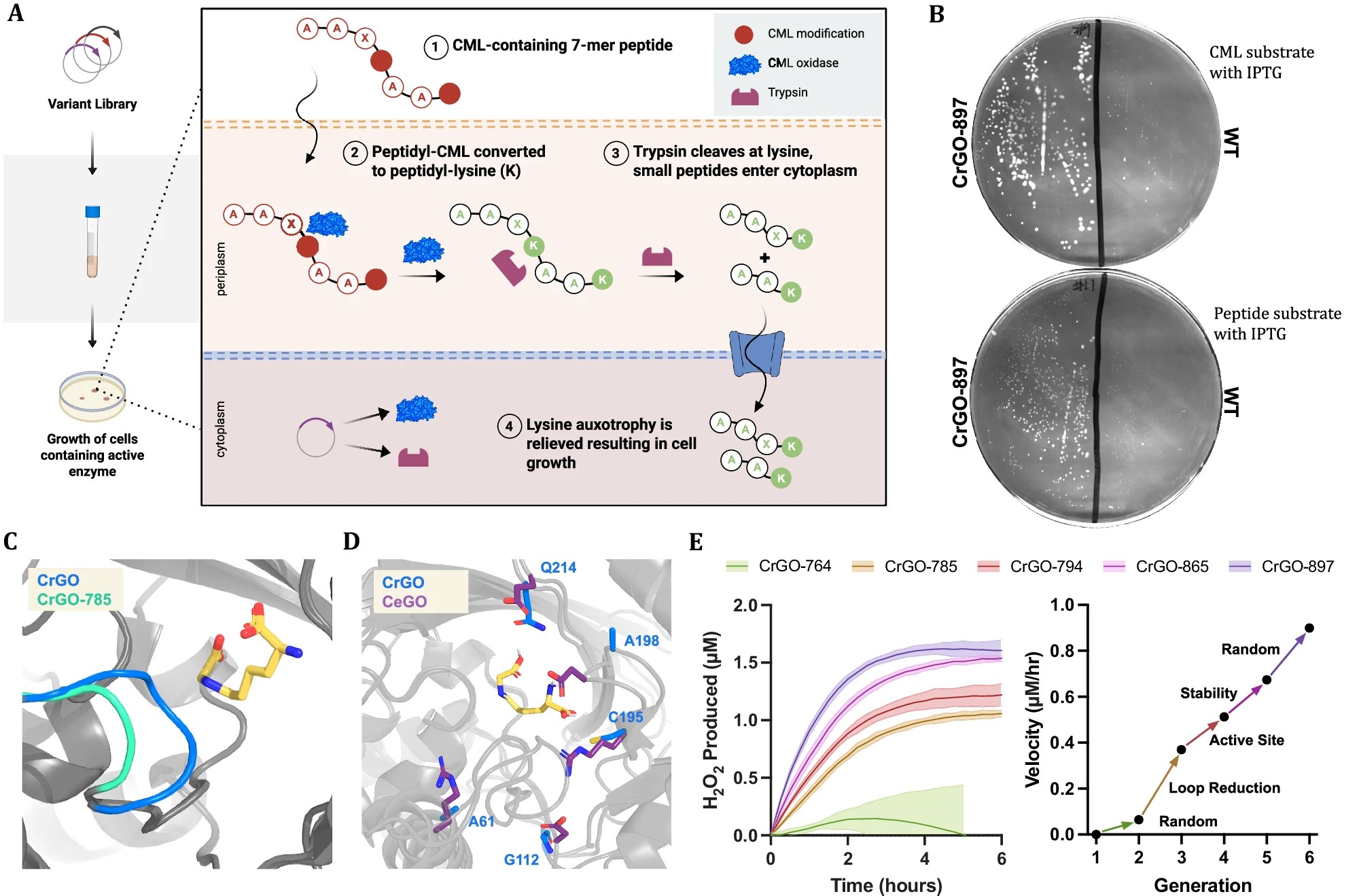
Researchers are investigating the potential of a special enzyme to reverse the aging process in human tissues. The body, a complex system of biochemical processes, naturally accumulates residues over time. These accumulated residues, known as Advanced Glycation End-products (AGEs), are implicated in the aging process and contribute to various age-related diseases. The scientific team aims to develop a method to effectively remove these AGEs from human tissues. By targeting and eliminating these specific molecular accumulations, they hope to rejuvenate cells and restore tissue function to a more youthful state. This innovative approach could potentially lead to new therapeutic strategies for combating age-related decline and improving overall healthspan. The research focuses on understanding the precise mechanisms by which the enzyme interacts with and breaks down AGEs. Further studies will be necessary to determine the safety and efficacy of this enzyme-based de-aging therapy in living organisms. The ultimate goal is to translate these findings into practical applications that can benefit human longevity and well-being.
This research into enzymatic removal of AGEs represents a novel approach to addressing cellular senescence and tissue degradation. By targeting specific molecular culprits of aging, the study seeks to reverse biological age rather than merely slow its progression. Such interventions, if successful, could fundamentally alter therapeutic paradigms for age-related conditions, shifting focus from managing symptoms to restoring cellular function. The long-term implications involve potential extensions of human healthspan, but also raise questions about equitable access, societal impact, and the definition of aging itself. Future developments will likely focus on systemic delivery, off-target effects, and the ethical considerations of significant life extension.
AI-generated to prompt reflection — not editorial opinion, not advice, not a statement of fact. How this works.