Scientists Explore How Plants Respond to Touch
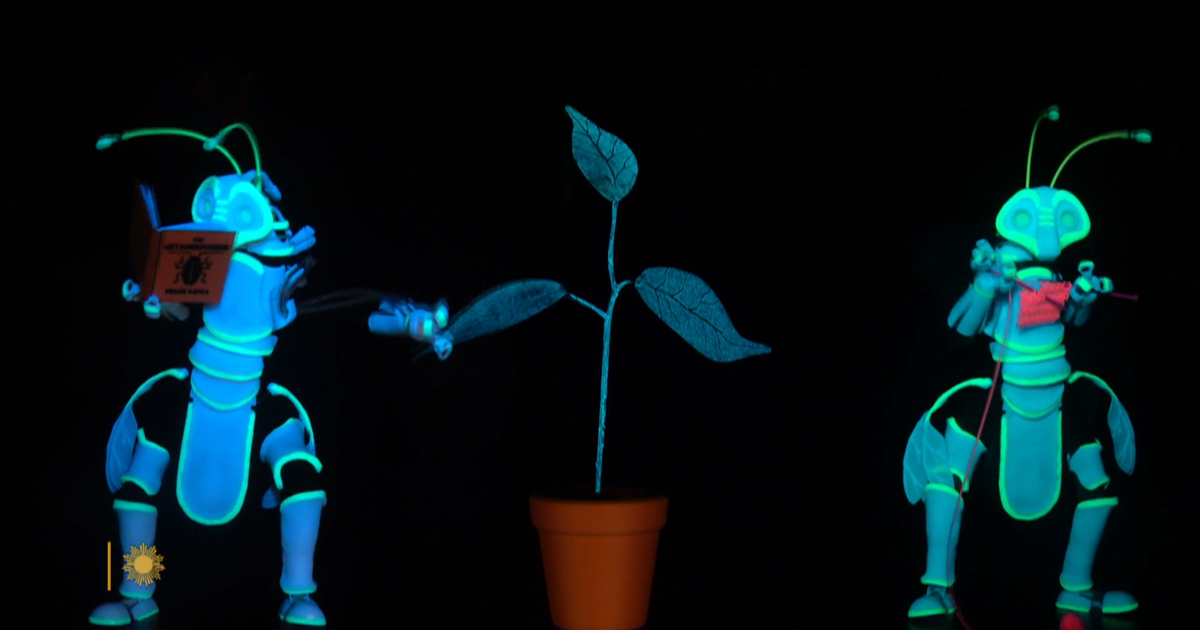
Even without brains, plants exhibit a remarkable ability to respond to touch, a phenomenon scientists are exploring. This response is linked to thigmomorphogenesis, the process by which plants react to external stimuli. Robert Krulwich and puppeteer Barnaby Dixon have delved into this scientific area. Their discussion about how plants sense and react to physical contact has even inspired a song. The exploration highlights the complex sensory capabilities of plant life, challenging common perceptions of their inert nature. This research opens avenues for understanding plant communication and adaptation mechanisms. The investigation into plant responses to touch suggests a more sophisticated biological system than previously understood.
The exploration of thigmomorphogenesis, or how plants react to touch, reveals a fascinating area of biological responsiveness that transcends traditional definitions of sentience. By examining these stimuli-response mechanisms, we can gain a deeper appreciation for the complex adaptive strategies employed by plant life. Understanding these processes could inform future agricultural technologies and ecological management, potentially leading to more resilient crops and ecosystems. This scientific inquiry encourages a broader perspective on biological signaling and environmental interaction, prompting consideration of how diverse life forms perceive and navigate their surroundings.
AI-generated to prompt reflection — not editorial opinion, not advice, not a statement of fact. How this works.