Scientists Genetically Engineer Bacteria to Enhance Cancer Treatment
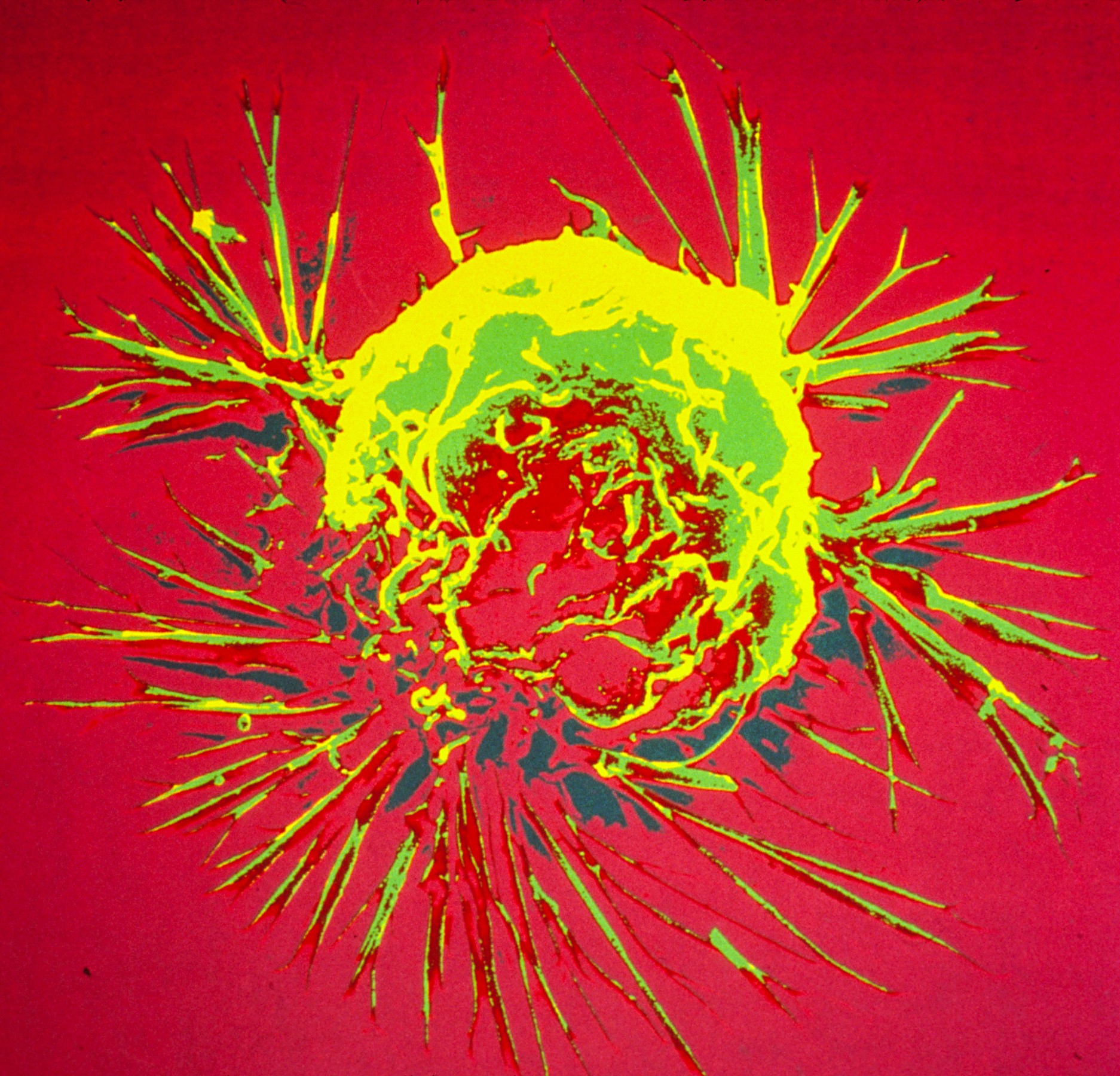
Modern medicine faces the persistent challenge of targeting cancer cells without harming healthy tissue, a limitation that leads to significant side effects with current treatments like surgery, radiation, and chemotherapy. Researchers are exploring an alternative approach utilizing bacteria, specifically anaerobic species that thrive in low-oxygen environments like those found within tumors. These bacteria, unable to infect oxygen-rich healthy tissues, can potentially colonize and attack cancerous growths. Early historical accounts, dating back to the work of Dr. William Coley in the late 19th and early 20th centuries, documented spontaneous cancer regression following bacterial infections. Coley developed early immunotherapies using heat-treated bacteria, known as "Coley's toxins," which showed some success but were eventually superseded by more easily characterized treatments. More recently, research has focused on the non-pathogenic soil bacterium Clostridium sporogenes. While preclinical trials in mice showed that C. sporogenes spores could target tumors, their therapeutic effect was limited as they failed to penetrate the outer, more oxygenated edges of the tumors, allowing them to continue growing. To overcome this, scientists have genetically modified C. sporogenes. They introduced a gene to increase the bacteria's oxygen tolerance, aiming to enable deeper tumor penetration. Additionally, a "quorum sensing" control system was added, which activates the modified oxygen tolerance only when the bacteria reach a sufficient density within a tumor. This initial research, still in its early stages, aims to create more effective live biotherapeutics for cancer treatment, potentially by linking the control system to drug delivery or immune stimulation in future studies.
This research into genetically modified bacteria for cancer therapy represents a novel application of synthetic biology, aiming to overcome the inherent limitations of traditional treatments by leveraging the specific microenvironment of tumors. The strategy of using oxygen-intolerant bacteria as natural tumor-seeking agents, enhanced through genetic engineering for improved efficacy and control, highlights a shift towards precision medicine. By developing a "smart" therapeutic that activates only under specific conditions within the tumor, researchers seek to maximize anti-cancer effects while minimizing off-target toxicity. This approach could offer a more targeted and potentially less invasive treatment modality, though its long-term safety, scalability, and effectiveness in diverse human cancers will require extensive clinical validation. Future developments may integrate these engineered microbes with other therapeutic modalities, creating complex, multi-pronged attack strategies against cancer.
AI-generated to prompt reflection — not editorial opinion, not advice, not a statement of fact. How this works.