Scientists Map Lunar Regolith Thickness for Future Moon Base Construction
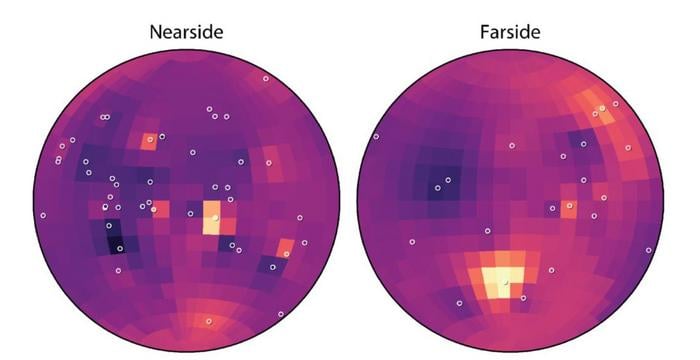
Understanding the composition of planetary surfaces is crucial for establishing long-lasting habitats as humanity expands into space. This effort is beginning with the Moon, which NASA plans to use for a permanent lunar south pole base. The Moon's surface is covered by a thin layer of dust known as regolith. Engineers need to know the thickness of this regolith to identify the safest locations for constructing future lunar habitats and buildings. This mapping is essential for ensuring the structural integrity and safety of any structures built on the lunar surface, providing a strong foundation for future extraterrestrial construction.
The mapping of lunar regolith thickness represents a critical step in the practical implementation of extraterrestrial habitation. By quantifying a fundamental environmental variable, scientists are enabling more robust engineering and risk assessment for lunar infrastructure. This initiative highlights the growing interplay between scientific discovery and the development of space-based economic and strategic interests. Future lunar bases will likely face complex challenges related to resource utilization and environmental adaptation, making detailed geological surveys like this indispensable for long-term sustainability and operational success.
AI-generated to prompt reflection — not editorial opinion, not advice, not a statement of fact. How this works.