Scientists Observe Division of Fully Synthetic Cell for the First Time
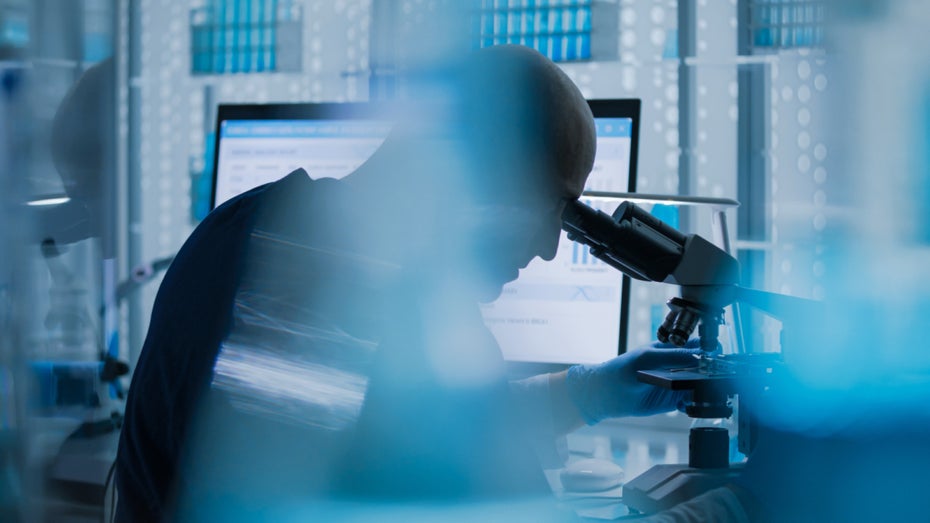
For the first time, researchers have successfully created and observed the division of a completely synthetic cell. This groundbreaking achievement marks a significant step in the field of artificial life. The development holds promise for future therapeutic applications and the creation of novel, environmentally friendly production methods. These synthetic cells could potentially be engineered to produce valuable substances or to address environmental challenges. The ability of these artificial cells to replicate themselves opens up new avenues for research and development in biotechnology and beyond.
The successful division of a fully synthetic cell represents a significant scientific milestone, moving closer to the creation of artificial life forms. This development could unlock new possibilities in medicine, such as targeted drug delivery or regenerative therapies, and in industrial biotechnology for sustainable production. However, the long-term implications and ethical considerations of creating self-replicating artificial entities require careful examination. Future research will need to address the control mechanisms, potential environmental impact, and the fundamental definition of life as synthetic biology advances, navigating the complex interplay between innovation and responsible stewardship.
AI-generated to prompt reflection — not editorial opinion, not advice, not a statement of fact. How this works.