Scientists Propose Satellite Constellation to Shield Earth from Solar Storms
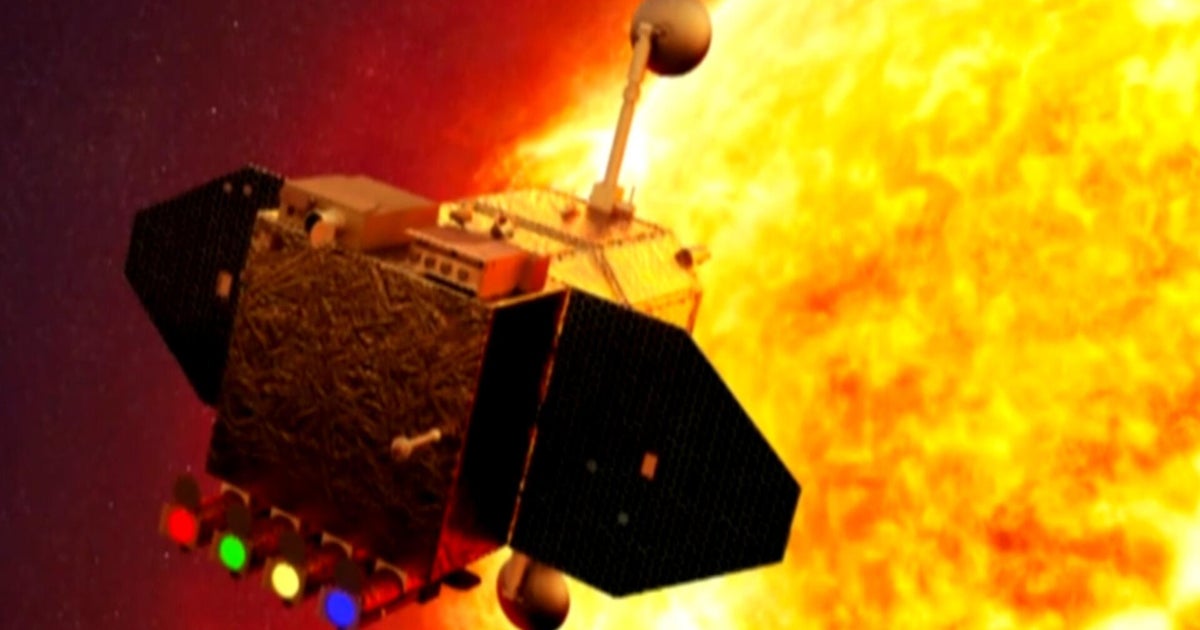
A group of scientists has proposed a novel solution to protect Earth from potentially catastrophic solar storms. They envision the creation of a satellite constellation named StormWall, designed to act as a shield against the impact of severe solar events. Brian Walsh, a co-designer of the StormWall concept, discussed the proposal with CBS News. The primary concern driving this initiative is the threat posed by massive solar storms, which have the capability to cripple power grids across the United States. This proposed system aims to mitigate the devastating consequences such storms could have on modern infrastructure. The StormWall would function by intercepting or deflecting the harmful particles and electromagnetic radiation associated with solar flares and coronal mass ejections. While the specifics of its operational mechanics are still under development, the core idea is to create a protective barrier in space. This scientific endeavor highlights the growing awareness of space weather risks and the proactive measures being considered to safeguard our planet.
The proposal for a StormWall satellite constellation addresses a critical vulnerability in global infrastructure, namely its susceptibility to extreme space weather events. This initiative reflects a forward-thinking approach to risk management, acknowledging that the increasing reliance on interconnected power grids and digital systems amplifies the potential impact of solar storms. The development of such a protective system could represent a significant advancement in planetary defense, shifting from passive observation to active intervention. However, the feasibility and cost-effectiveness of deploying and maintaining a constellation of satellites capable of deflecting massive solar phenomena will be key considerations. Furthermore, the international cooperation required for a global defense system against space weather raises complex geopolitical and logistical questions. The long-term implications involve balancing technological ambition with resource allocation and assessing the evolving threat landscape of solar activity.
AI-generated to prompt reflection — not editorial opinion, not advice, not a statement of fact. How this works.