Scientists Revive Vancomycin Antibiotic Against Superbugs Using Molecular Helper
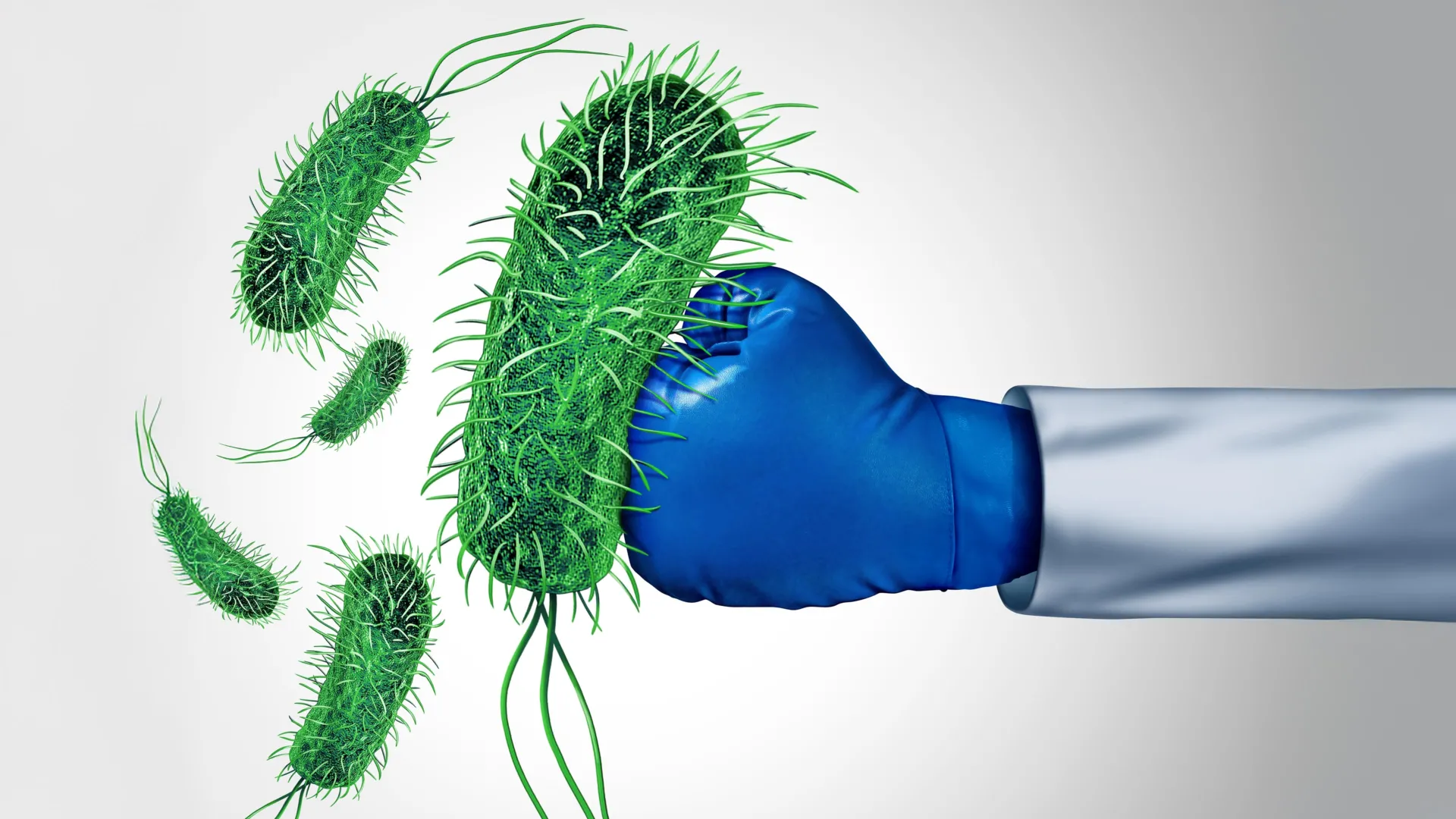
Researchers have successfully revived the effectiveness of vancomycin, a potent antibiotic previously rendered obsolete by certain dangerous bacteria. Instead of developing a completely novel drug, the scientific team employed a strategy of combining vancomycin with a small molecule known as pghi-4. This molecule functions by inhibiting a specific bacterial enzyme that plays a crucial role in conferring resistance to the antibiotic. The experimental combination demonstrated a restored capacity to eliminate drug-resistant strains of E. faecium, a significant achievement in the fight against antimicrobial resistance. This breakthrough offers a promising avenue for potentially rescuing other compromised antibiotics through the development of similar chemical adjuncts. The approach suggests a new paradigm for combating the growing threat of superbugs by enhancing existing therapeutic agents.
The successful revival of vancomycin through chemical augmentation highlights a critical strategic shift in antimicrobial drug development. Faced with escalating resistance, the pharmaceutical industry and research institutions are exploring synergistic approaches that leverage existing drug scaffolds rather than solely pursuing novel compound discovery, which is often costly and time-consuming. This development underscores the importance of understanding bacterial resistance mechanisms at a molecular level to engineer effective countermeasures. The long-term implication is a potential pipeline of 'repurposed' or 'enhanced' antibiotics, offering a more sustainable model for addressing the global health crisis of antimicrobial resistance. Future research may focus on identifying broader classes of molecular helpers applicable to a wider range of antibiotics facing similar resistance challenges.
AI-generated to prompt reflection — not editorial opinion, not advice, not a statement of fact. How this works.