Scientists Successfully Enhance Key Photosynthesis Protein, Aiming for a 'Second Green Revolution'
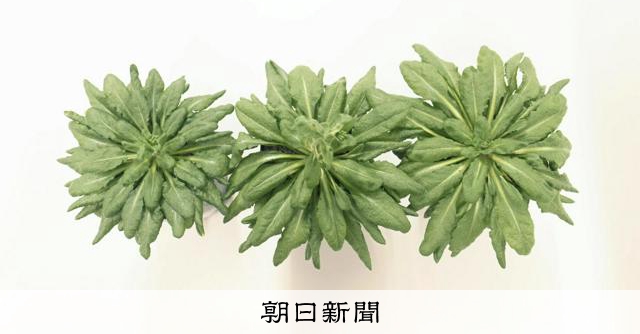
Researchers have announced a significant breakthrough in enhancing a crucial protein involved in photosynthesis. This advancement is being hailed as a potential catalyst for a 'Second Green Revolution,' aiming to significantly boost agricultural productivity. The team focused on improving the efficiency of RuBisCO, the most abundant protein on Earth and a key enzyme in carbon fixation during photosynthesis. By modifying this protein, scientists hope to increase the rate at which plants convert carbon dioxide into organic compounds, leading to greater crop yields.
This development could have profound implications for global food security, especially in the face of a growing world population and the challenges posed by climate change. The 'Green Revolution' of the mid-20th century dramatically increased agricultural production through the development of high-yield crop varieties, fertilizers, and pesticides. This new research seeks to build upon that legacy by leveraging advanced biological engineering to optimize plant performance at a fundamental level. Further research and field trials will be necessary to assess the full impact and scalability of these modifications.
The successful modification of RuBisCO, a fundamental protein in photosynthesis, represents a significant step toward enhancing plant efficiency. This research aligns with long-term global objectives for food security and sustainable agriculture, particularly relevant in an era of increasing climate volatility and resource constraints. By targeting a core biological process, the potential exists to improve crop yields without necessarily increasing land or water usage, addressing critical trade-offs in food production. Future developments will likely focus on the scalability and ecological integration of these enhanced plants, considering factors such as genetic stability, biodiversity impacts, and the economic accessibility of the technology to farmers worldwide.
AI-generated to prompt reflection — not editorial opinion, not advice, not a statement of fact. How this works.