Scientists Uncover Mechanism Linking Gut Bacteria Toxin to Colon Cancer
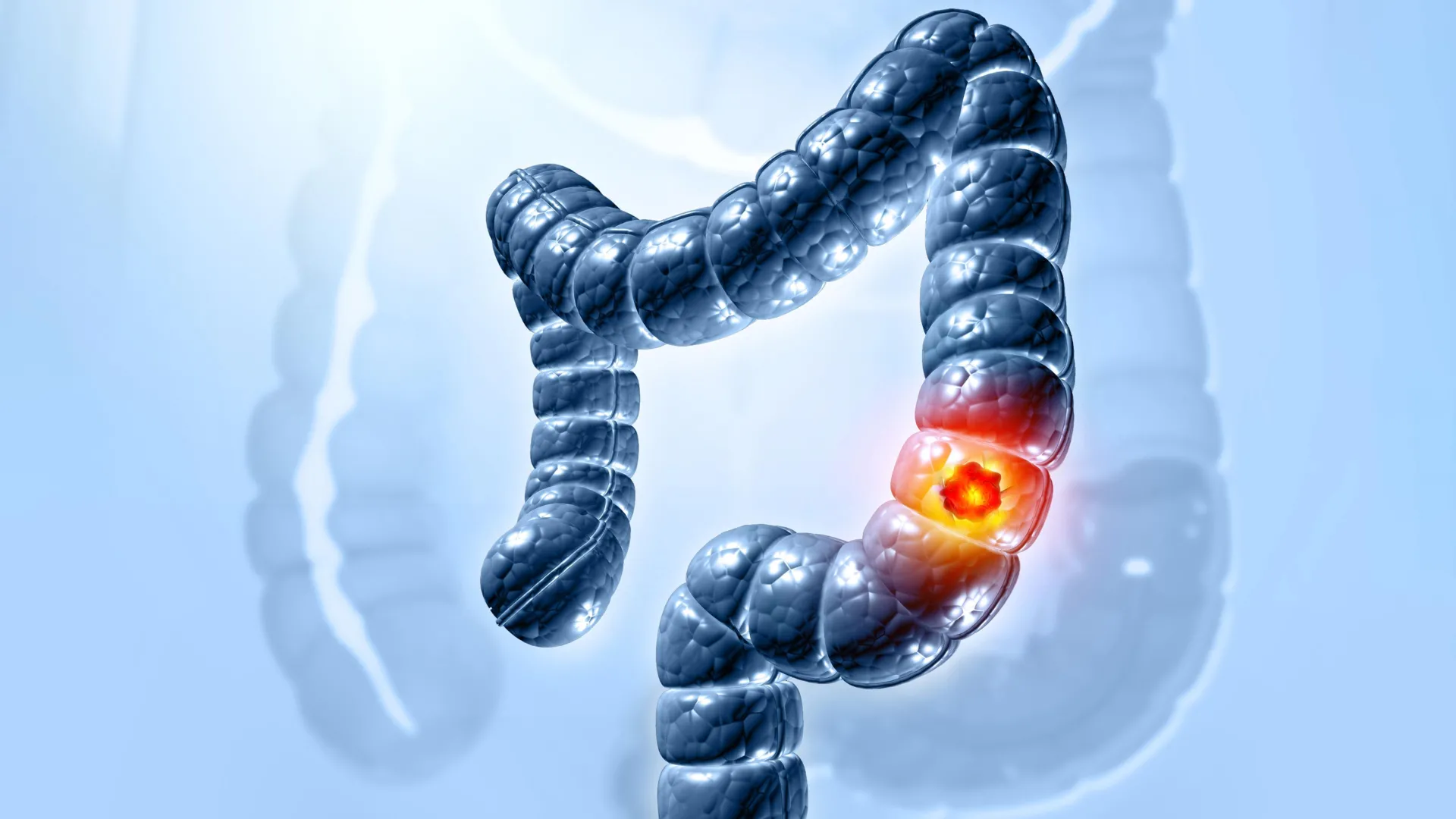
Researchers have unraveled a critical mechanism by which a common gut bacterium's toxin contributes to colorectal cancer. The toxin initially targets a specific receptor, claudin-4, which serves as an entry point to compromise the protective barrier of colon cells. This interaction allows the toxin to damage the cells and potentially initiate cancerous growth.
Following the identification of this vulnerable pathway, the research team developed a novel decoy protein. This engineered protein effectively neutralized the bacterial toxin in laboratory experiments involving mice. The breakthrough offers a promising avenue for developing future therapeutic strategies aimed at preventing inflammation and the development of colon tumors.
This research addresses a significant public health challenge by elucidating the molecular interactions driving a common form of cancer. Understanding the specific binding mechanism of the bacterial toxin to claudin-4 provides a clear target for intervention. The development of a decoy protein demonstrates a potential therapeutic strategy that leverages biological mechanisms to neutralize a harmful agent. Future work will likely focus on translating these findings from preclinical models to human applications, considering the complex interplay of gut microbiota, host genetics, and environmental factors in cancer development. The long-term implications could involve novel preventative measures and treatments that reduce the incidence and mortality of colorectal cancer.
AI-generated to prompt reflection — not editorial opinion, not advice, not a statement of fact. How this works.