Scientists Warn of Imminent Biosecurity Risk from Idle Ships in Strait of Hormuz
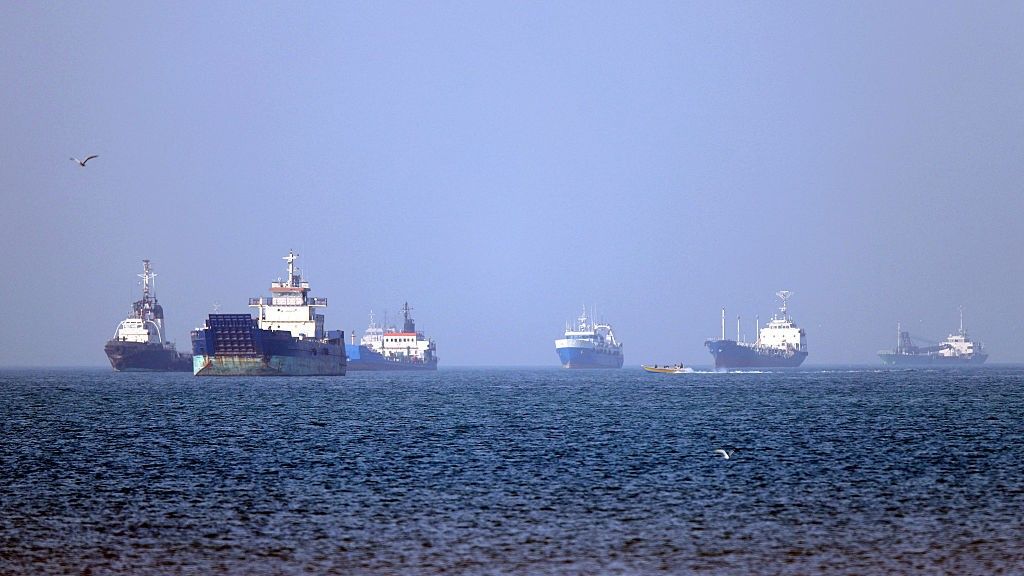
Scientists are warning of a significant biosecurity hazard due to the prolonged closure of the Strait of Hormuz, where over 1,000 ships are currently idled. This situation could potentially lead to a biological 'superspreader' event. The extended closure not only poses economic impacts but also carries potentially devastating consequences for global ecosystems and human health. The accumulation of idle vessels creates an environment where pathogens could spread more easily. This unprecedented situation highlights vulnerabilities in global maritime biosecurity protocols. Researchers are urging for immediate attention to mitigate these risks before they escalate. The potential for widespread ecological damage and public health crises necessitates a swift and coordinated international response. The long-term implications of such an event could be far-reaching, affecting biodiversity and human well-being for years to come.
The idling of over 1,000 vessels in the Strait of Hormuz presents a novel biosecurity challenge, moving beyond traditional economic and geopolitical concerns. The concentration of ships creates an artificial, high-density ecosystem where the transmission of biological agents, whether microbial or invasive species, could be accelerated. This scenario underscores the interconnectedness of global trade routes and ecological health, suggesting that disruptions to maritime traffic can have unforeseen biological ramifications. Future risk assessments for maritime chokepoints should integrate biological threat vectors alongside conventional security and economic considerations. The long-term management of such situations may require developing protocols for vessel sanitation and quarantine during extended standstills to prevent cascading ecological and public health crises.
AI-generated to prompt reflection — not editorial opinion, not advice, not a statement of fact. How this works.