Scientists Warn of Underestimated 'Once-in-a-Thousand-Year' Solar Storm Threat
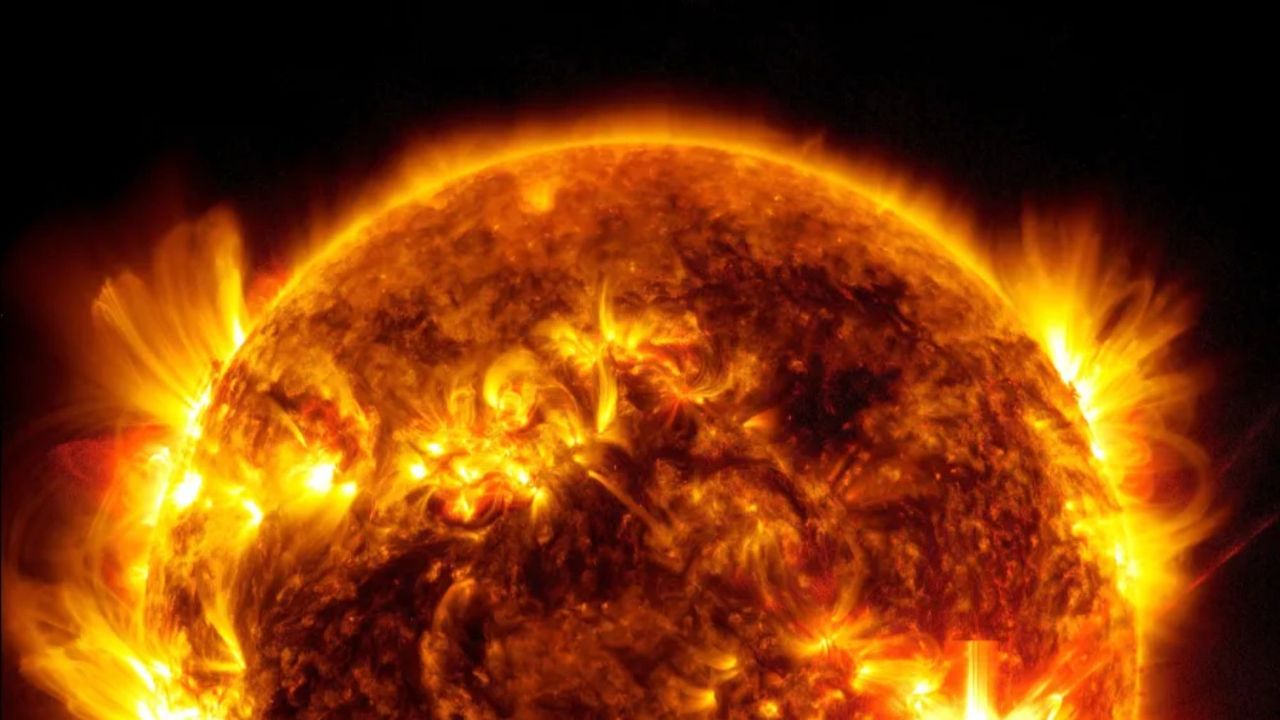
A recent study indicates that the most severe solar storms impacting Earth may pose a greater risk to critical infrastructure than previously understood. These extreme events could have significant consequences for satellites, the stability of power grids, and global communication systems. Scientists are urging a reassessment of our preparedness for such rare but potentially catastrophic solar activity. The research highlights the need to consider the potential for a 'once-in-a-thousand-year' disaster scenario. Understanding the full scope of these threats is crucial for developing effective mitigation strategies. The findings suggest that current models may not fully capture the magnitude of damage these powerful solar events could inflict. This underscores the importance of ongoing research and investment in space weather forecasting and resilience measures.
The potential for extreme solar storms presents a significant challenge to modern technological societies, which are heavily reliant on vulnerable electronic systems. This analysis suggests that current risk assessments may be insufficient, necessitating a proactive approach to infrastructure hardening and emergency preparedness. Future planning should consider the systemic interdependencies between power grids, satellite networks, and communication channels, as a single extreme event could trigger cascading failures. Investing in advanced monitoring, predictive modeling, and resilient design for critical infrastructure is paramount to mitigating potential economic and societal disruption in the coming decade.
AI-generated to prompt reflection — not editorial opinion, not advice, not a statement of fact. How this works.