Scotland's Jellyfish: Understanding the Fear of Stings
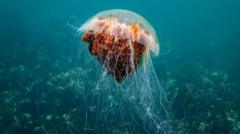
Many individuals experience fear concerning jellyfish in Scotland, primarily due to the potential for painful stings. The unpredictable movements of these marine creatures in the water contribute significantly to this apprehension. This fear is a common reaction to encountering jellyfish, stemming from their capacity to inflict discomfort and the uncertainty surrounding their presence and behavior in aquatic environments. Understanding these factors is key to addressing public concerns about jellyfish in Scottish waters. The perceived threat of jellyfish stings often outweighs the actual risk, leading to widespread anxiety among swimmers and beachgoers. Their gelatinous bodies and trailing tentacles can appear menacing, further fueling the fear. While some species can deliver a sting, the severity varies, and many encounters do not result in significant harm. Nevertheless, the psychological impact of a potential sting can be substantial.
The public's fear of jellyfish stings in Scotland highlights a common human response to perceived threats in natural environments. This apprehension, while understandable, is often amplified by media portrayals and a lack of detailed understanding regarding the actual risks posed by different species. From a public health perspective, it is important to balance the potential for discomfort with accurate information about jellyfish behavior and the relative safety of Scottish waters. Future management strategies could involve enhanced public education campaigns that demystify jellyfish and promote safe practices, thereby reducing unnecessary anxiety and fostering a more informed relationship with marine ecosystems. This approach aligns with a broader trend of promoting environmental literacy and mitigating human-wildlife conflict through knowledge rather than avoidance.
AI-generated to prompt reflection — not editorial opinion, not advice, not a statement of fact. How this works.