Scottish Police Officer Accused of Multiple Sexual Assaults and Rapes Dies by Suicide
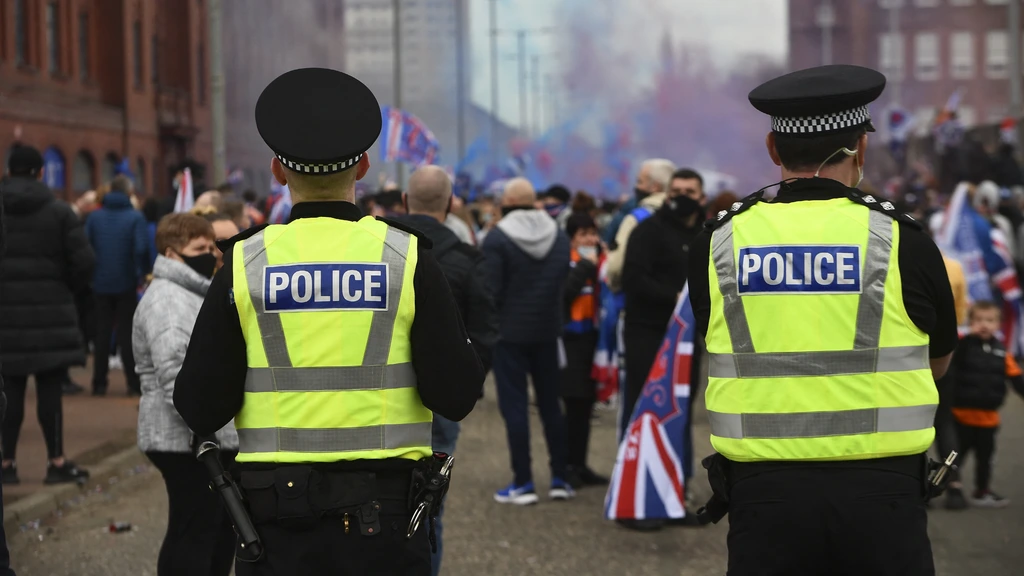
A police officer in Scotland, identified as 47-year-old Alan Greer, is under investigation for allegedly attacking and raping multiple women since 2012. The BBC reported that at least eight women have been identified as potential victims during the inquiry. Greer, who had been a police officer since 2009, died by suicide in May of this year, but the investigation into his alleged crimes is ongoing, with authorities expecting more victims to come forward. The case came to light late last year when a woman reported being raped by an officer in 2012, shortly after she had called the police to report a disturbance at her home. Greer reportedly accessed her case file multiple times after her initial report, even during his time off, possibly to check if she had reported the sexual assault. Investigators later linked Greer to an earlier report from 2018 by a sex worker who had provided his phone number after an alleged violent encounter. A subsequent search of Greer's devices revealed thousands of images and videos, suggesting he frequented hundreds of sex workers. While not all material has been analyzed, five sex workers have been identified as victims of severe sexual abuse, with the violence reportedly being so extreme that Greer could have faced attempted murder charges. In addition to the sex workers, three other victims have been identified, including two female police trainees from whom Greer allegedly took inappropriate images. The investigation is expected to continue for several more months.
The alleged actions of Alan Greer represent a profound betrayal of public trust, particularly given his role as a law enforcement officer. The investigation's findings, including the alleged pattern of sexual violence and the discovery of extensive photographic and video evidence, suggest a systemic failure in oversight and vetting processes within the Scottish police force. The officer's suicide, while closing a chapter on potential legal proceedings, underscores the critical need for robust internal affairs mechanisms and independent oversight bodies capable of detecting and addressing such egregious misconduct before it escalates. The comparison to the Wayne Couzens case highlights a persistent societal concern regarding the safety of women and the potential for abuse of power within policing, prompting a re-evaluation of vetting procedures, mental health support for officers, and accountability frameworks to prevent future occurrences and rebuild public confidence.
AI-generated to prompt reflection — not editorial opinion, not advice, not a statement of fact. How this works.