Search for New Mediation Amidst Escalating South China Sea Tensions
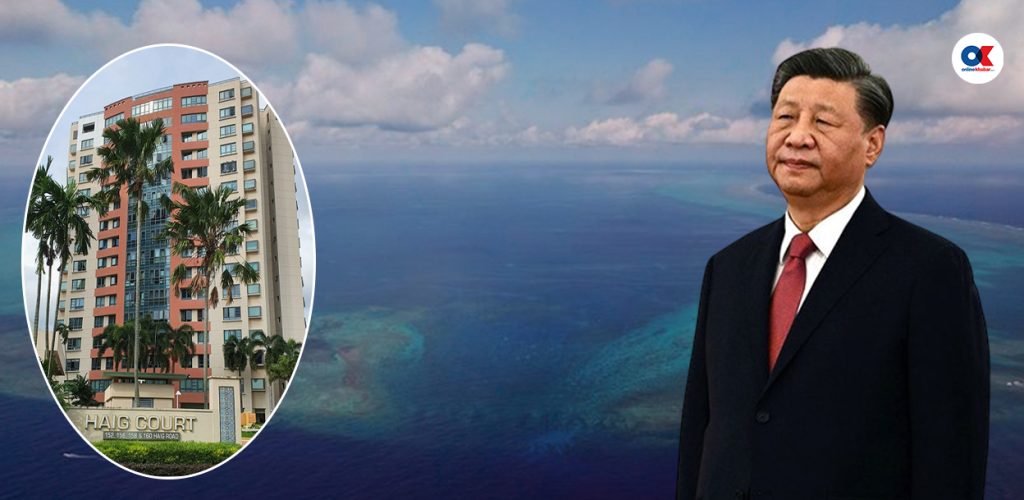
A decade after a landmark ruling, its implementation remains elusive, while regional maritime tensions have significantly escalated. Analysts are advising Beijing to engage in good-faith diplomacy on the anniversary of the decision. The ruling, which addressed territorial disputes in the South China Sea, has not been enforced, leading to increased friction among claimant states. Despite the passage of ten years, the international community continues to observe the lack of progress in resolving these complex issues. The ongoing disputes pose a significant challenge to regional stability and freedom of navigation. Experts suggest that a renewed diplomatic effort, potentially involving new mediation strategies, is crucial to de-escalate the situation. The anniversary serves as a reminder of the unresolved nature of the South China Sea conflict and the urgent need for constructive dialogue. Beijing's participation in such diplomatic efforts is seen as vital for achieving a peaceful resolution. The international legal framework established by the ruling has yet to translate into tangible peace on the water.
The persistent lack of implementation for the South China Sea ruling highlights a governance gap between international legal pronouncements and geopolitical realities. The escalating tensions suggest that the existing dispute resolution mechanisms may be insufficient to address the complex interplay of national interests and historical claims. Future approaches could benefit from exploring innovative mediation frameworks that incentivize cooperation and de-escalate potential conflicts, particularly in light of evolving maritime technologies and strategic importance of the region in the coming decade. A focus on shared resource management and transparent navigation protocols might offer pathways toward greater stability.
AI-generated to prompt reflection — not editorial opinion, not advice, not a statement of fact. How this works.