Search for Sightings of 'Isakgwikae' and 'Tanggwikae', Key Indicators of Daejeon Wetlands
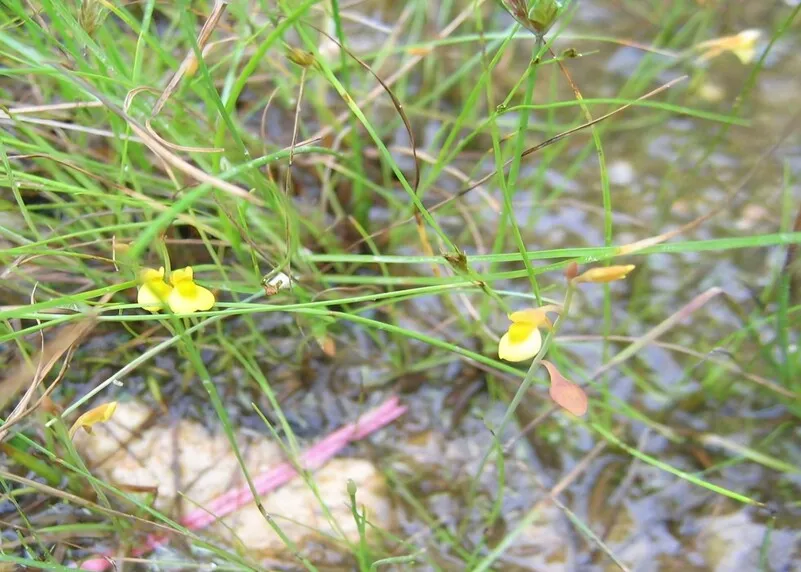
An appeal has been issued for anyone who has recently spotted 'Isakgwikae' (Rotala rotundifolia) and 'Tanggwikae' (Rotala indica), two plant species considered vital indicators of wetland health in Daejeon, South Korea. These plants are crucial for assessing the ecological status of the region's wetlands. Their presence or absence, and overall condition, provides valuable insights into the environmental quality and biodiversity of these sensitive ecosystems. The search aims to gather current data on these specific species, which are known to thrive in wetland environments. This information will be used to monitor the health of Daejeon's wetlands and inform conservation efforts. The call for sightings emphasizes the importance of citizen participation in ecological monitoring and conservation initiatives.
The public appeal for sightings of specific wetland indicator species highlights the growing reliance on citizen science for environmental monitoring. This approach can supplement traditional ecological surveys, providing broader geographical coverage and more frequent data collection. However, the effectiveness of such initiatives depends on accurate identification by the public and robust data validation processes. Future conservation strategies may increasingly integrate crowdsourced data, necessitating clear protocols for data quality assurance and public engagement to ensure reliable ecological assessments and informed environmental policy.
AI-generated to prompt reflection — not editorial opinion, not advice, not a statement of fact. How this works.