Seattle Businesses Near World Cup Stadium See Sales Decline Despite Tourism Hopes
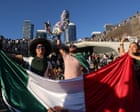
Despite projections of a significant economic boom, many Seattle businesses located near the World Cup stadium have reported declining sales during the month-long event. The city's tourism board had estimated that 750,000 visitors would flock to Seattle during the tournament. While official watch parties and waterfront areas saw large crowds, and some establishments like the George & Dragon Pub experienced "incredible" increases in business, this success did not translate to all local merchants. The overall sentiment among some businesses is one of disappointment, with one business owner stating, 'They had hyped us up so much.' This comes as Seattle concludes its role as a host city, with a knockout match between the United States and Belgium marking the end of the major events. While the city's business lobby highlights positive international media coverage and strong performance on the world stage, the reality for some local businesses has fallen short of expectations, suggesting a disconnect between the projected tourism impact and actual sales figures for certain sectors.
The World Cup's economic impact on host cities often presents a mixed outcome, with concentrated benefits for specific venues and businesses while others experience a downturn. This situation highlights the challenge of accurately forecasting and distributing the economic uplift from large-scale international events. While some businesses capitalize on the influx of visitors and associated spending, proximity does not guarantee increased revenue for all. Factors such as the specific nature of businesses, their marketing efforts, and the spending habits of the diverse visitor demographic play crucial roles. The city's tourism board's projections may have overemphasized the broad-based economic benefits, potentially leading to unmet expectations for businesses not directly aligned with the event's primary attractions. Future event planning could benefit from more granular economic modeling that accounts for varied business types and their potential engagement with event-related tourism.
AI-generated to prompt reflection — not editorial opinion, not advice, not a statement of fact. How this works.