Seattle Federal Prosecutor Sues After Being Fired Less Than an Hour After Taking Office
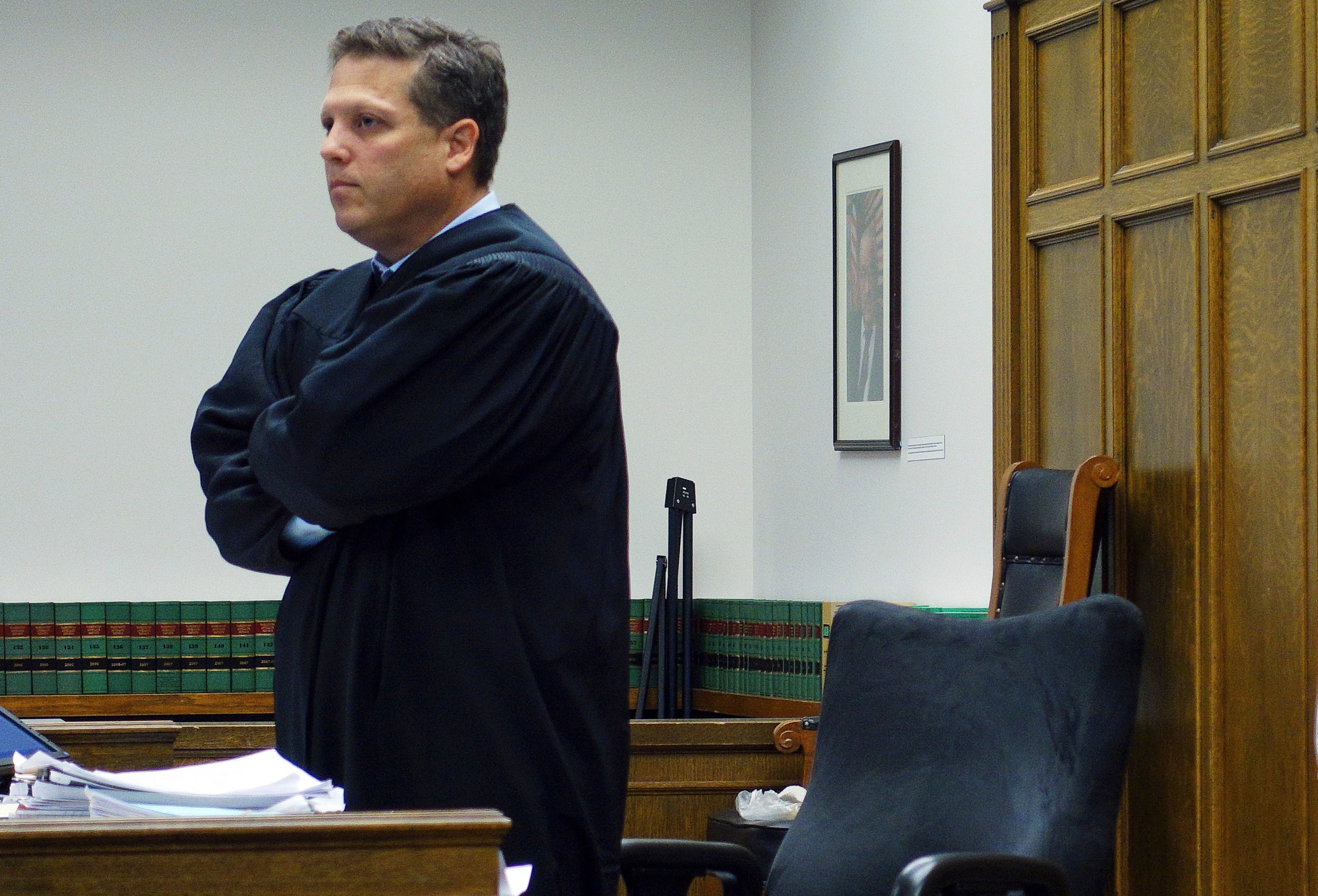
A federal prosecutor in Seattle, Roger Rogoff, has filed a lawsuit challenging his dismissal, which occurred less than an hour after he assumed the position. The legal action, filed on Tuesday, October 22, 2016, marks a significant development in the ongoing dispute over the Trump administration's efforts to influence appointments within the Department of Justice. Rogoff, who was unanimously selected by federal judges of the Western District of Washington, believes he is the first such court-appointed prosecutor to take legal action against his termination. His lawsuit asserts that his dismissal was unconstitutional and undermined the authority of the judges who appointed him to serve until a Senate-confirmed nominee could be chosen. The suit seeks a judicial declaration that the firing is "illegal and void," allowing Rogoff to remain in his post, at least temporarily. Rogoff stated that the president's actions violate U.S. law and the Constitution, deeming his removal and that of other court-appointed federal prosecutors nationwide as illegal. Typically, U.S. Attorneys are nominated by the president and confirmed by the Senate. However, when a vacancy arises and the Senate-confirmed nominee period expires, district court judges can make temporary appointments. The Trump administration has reportedly sought to keep unconfirmed prosecutors in their roles longer or replace court-appointed ones. In the Western District of Washington, there has been no Senate-confirmed U.S. Attorney since 2023. Prior to Rogoff's appointment, interim U.S. Attorney Todd Blanche had indicated an intention to dismiss any judge-appointed prosecutor. The Department of Justice stated that the district court did not coordinate the selection with them and that the president's decision was within his authority. Similar conflicts have occurred in other states, such as New Jersey and Virginia, involving attorneys with ties to Trump whose appointments were challenged or deemed irregular.
This case highlights a structural tension between the executive branch's desire for control over federal prosecution and the judiciary's role in ensuring continuity and adherence to legal processes. The lawsuit probes the constitutional boundaries of presidential authority versus judicial appointment powers, particularly in interim roles. Future administrations may need to navigate clearer protocols to avoid such disputes, balancing the need for politically aligned leadership with the independence and expertise of federal prosecutors. The outcome could set a precedent for how presidential administrations interact with judicial appointments during periods of transition or vacancy, influencing the long-term balance of power between the executive and judicial branches in prosecutorial appointments.
AI-generated to prompt reflection — not editorial opinion, not advice, not a statement of fact. How this works.