Seaweed Farming Offers Health and Environmental Advantages
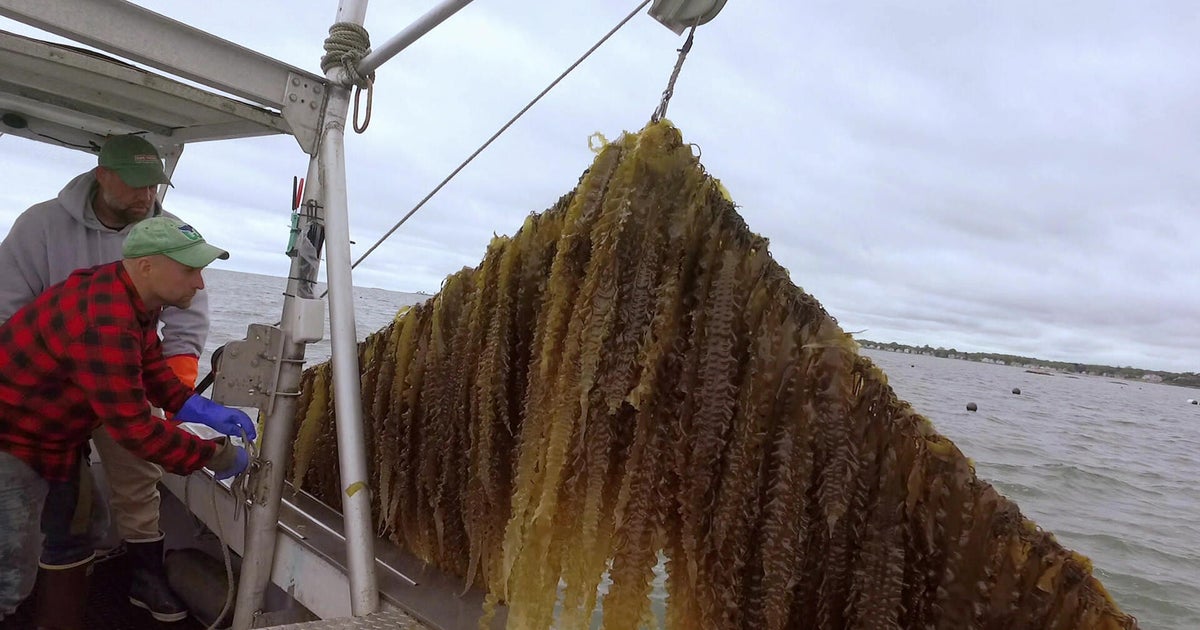
A 2018 report from 60 Minutes, featuring Lesley Stahl, explored the burgeoning field of ocean farming, specifically focusing on sugar kelp. The segment highlighted the significant health and environmental benefits associated with cultivating seaweed.
Ocean farming presents a sustainable method for producing food and other valuable resources. Sugar kelp, in particular, was showcased for its nutritional content and its positive impact on the marine ecosystem. The report emphasized how seaweed cultivation can contribute to a healthier planet and healthier diets.
This archival report from 2018 highlights the potential of ocean farming, specifically sugar kelp cultivation, for both human health and environmental remediation. From a systems perspective, seaweed farming offers a low-input method of resource generation that can simultaneously sequester carbon and nutrients from marine environments, potentially mitigating issues like ocean acidification and eutrophication. The economic viability and scalability of such operations, however, depend on factors like market demand, regulatory frameworks, and technological advancements in harvesting and processing. As the world grapples with climate change and food security, exploring and supporting sustainable aquaculture practices like kelp farming could become increasingly critical in the next decade.
AI-generated to prompt reflection — not editorial opinion, not advice, not a statement of fact. How this works.