Second Suspect in Pregnant Woman and Child's Murder Dies in Police Confrontation in Maranhão
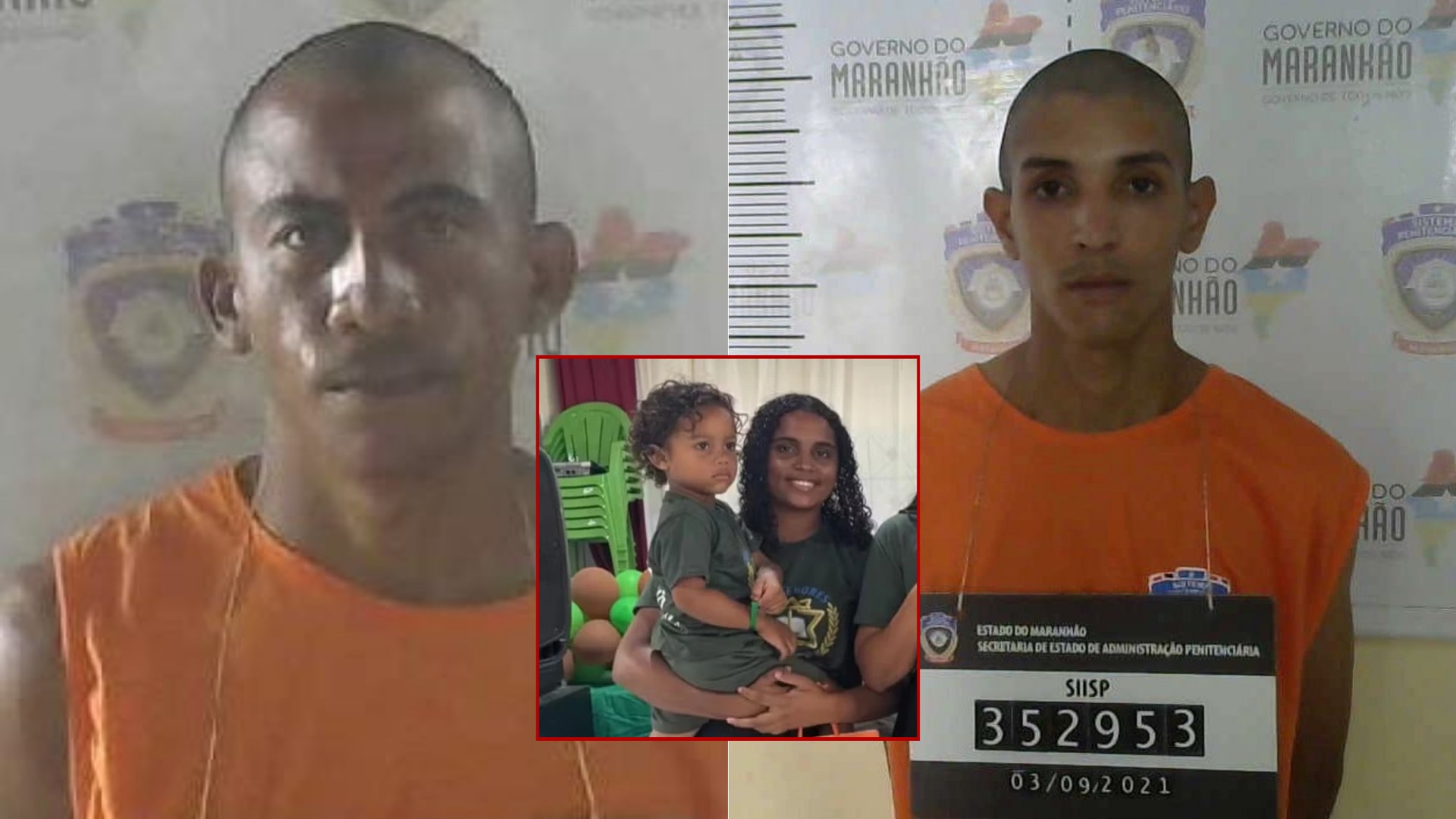
A second suspect, identified as David João Gaspar Penha, also known as "Mucurão," has died during a confrontation with police in the rural area of São João Batista, Maranhão. Penha was suspected of involvement in the attack that resulted in the deaths of a pregnant woman and her 4-year-old son. The Maranhão State Public Security Secretariat (SSP-MA) confirmed his death on Sunday, May 12th. Police stated that Penha had a prior criminal record and had been arrested previously. On the same day, another suspect, Joelson Braga Araújo, also died in a police operation. Araújo was reportedly wearing an electronic monitoring ankle bracelet due to a judicial order. A third suspect, Matheus Costa Pinheiro, was arrested on Sunday afternoon. Authorities are actively searching for other individuals involved in the crime, whose identities have not been disclosed to protect the ongoing investigation. The SSP-MA indicated that the investigation points to a dispute between criminal factions as the motive for the attack. Josef Abreu Santos, the partner of the deceased woman, Samira Costa Correia, and father of the child, Yan Kaleb Costa Santos, is considered the primary target of the attack, according to the investigation. He has been questioned by police. The victims were found burned inside a house that was set on fire on Friday, May 10th. Witnesses reported that approximately 15 armed men participated in the attack, leaving behind around 100 spent shell casings from various calibers. Forensic examinations are underway to determine the exact cause of death for Samira and Yan, whether from the gunshots or the fire, with DNA testing required for body identification due to the condition of the remains.
The violent incident, involving a large group and resulting in the deaths of a pregnant woman and her child, highlights the pervasive issue of organized crime and inter-factional disputes in the region. The police's swift apprehension of several suspects and the ongoing pursuit of others demonstrate a commitment to addressing the immediate threat. However, the underlying systemic factors that allow such violence to proliferate, including potential vulnerabilities in judicial monitoring systems (as suggested by the electronic ankle bracelet on one suspect) and the complex dynamics of criminal group recruitment and territorial control, warrant deeper examination. Future efforts could focus on intelligence-led policing, community engagement, and addressing socio-economic conditions that may contribute to gang involvement, aiming for long-term de-escalation rather than solely reactive enforcement.
AI-generated to prompt reflection — not editorial opinion, not advice, not a statement of fact. How this works.