Second War Front Opens Amidst Middle East Conflict
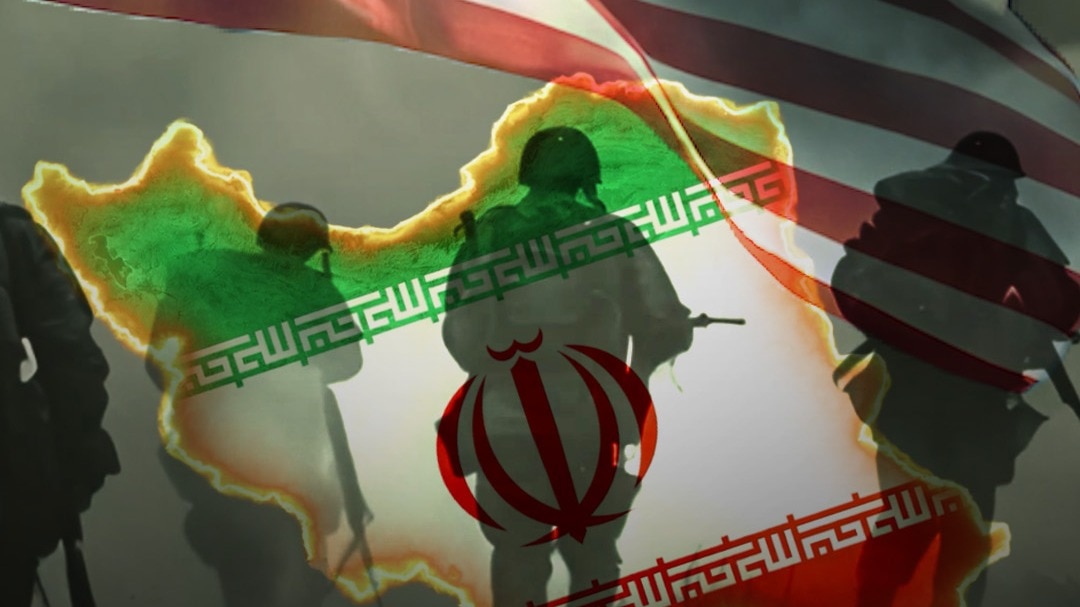
Amidst escalating tensions between the United States and Iran, the impact is now being felt on maritime trade. Reports indicate that two oil tankers bound for India and China have altered their planned routes following warnings from the Houthi group. This development has coincided with a surge in crude oil prices, raising concerns about global energy supply security. The Houthi group's warnings appear to have directly influenced shipping decisions, highlighting the vulnerability of key trade routes in the region. The rerouting of these tankers suggests a significant disruption to normal shipping patterns. The price increase in crude oil reflects market anxieties regarding potential supply chain interruptions. This situation underscores the interconnectedness of geopolitical stability and global energy markets. The broader implications for international trade and energy security are becoming increasingly apparent.
The rerouting of oil tankers due to Houthi warnings illustrates the significant geopolitical risk premium now embedded in global energy markets. As state-level conflicts spill over into non-state actor actions, critical chokepoints for international commerce face heightened uncertainty. This dynamic challenges traditional risk assessment models for maritime trade and energy supply chains, potentially leading to sustained price volatility. Over the next decade, such events may accelerate efforts towards diversifying energy sources and supply routes, as well as prompt greater investment in autonomous shipping and resilient infrastructure to mitigate the impact of regional instability on global economic flows.
AI-generated to prompt reflection — not editorial opinion, not advice, not a statement of fact. How this works.