Secret Recording of Conversations Raises Privacy and Ethical Concerns
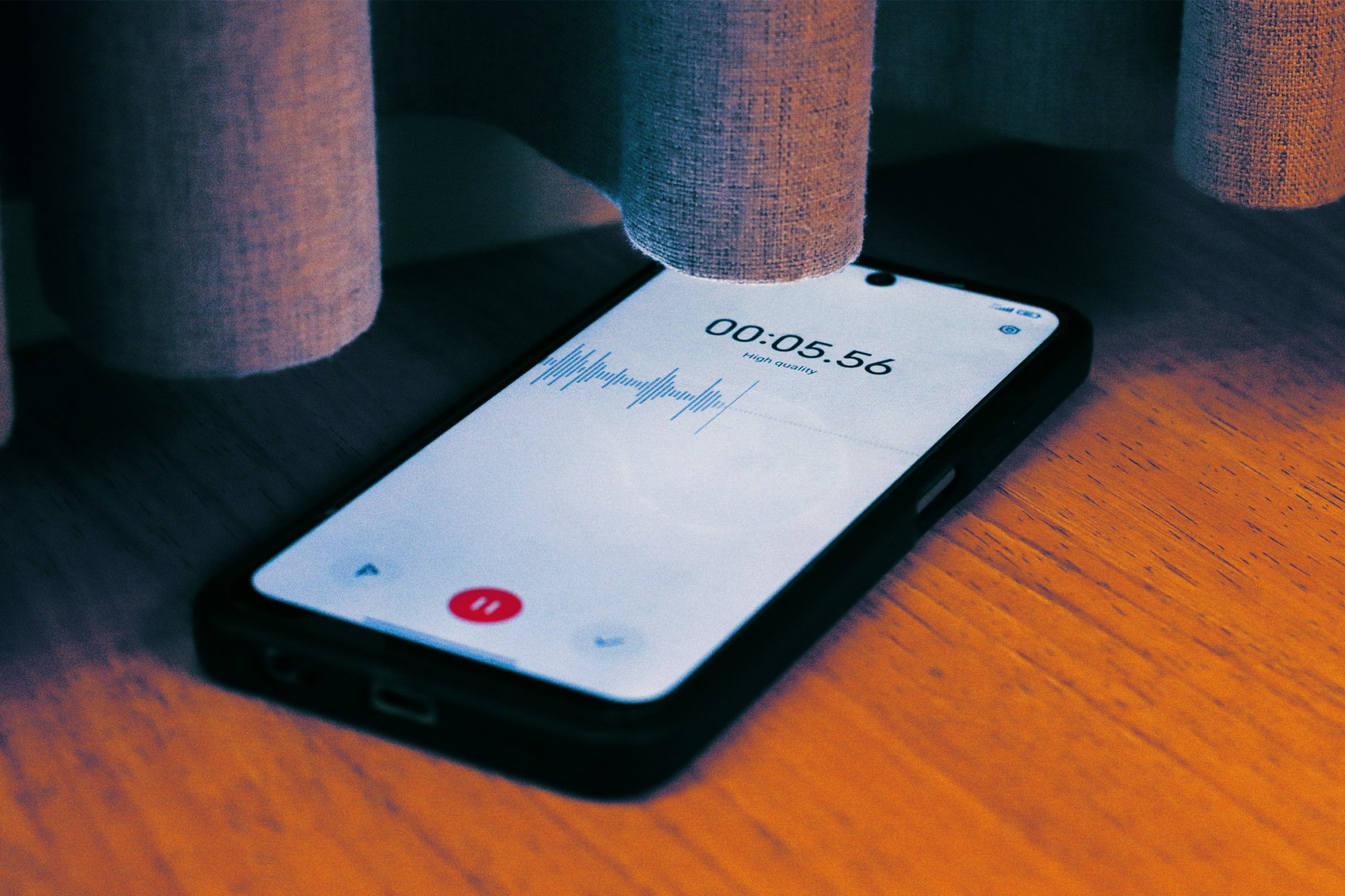
A growing trend of individuals recording conversations without informing participants is sparking significant privacy and ethical debates. This practice, often referred to as undisclosed recording, raises serious questions about consent and trust in interpersonal communication. While the legal landscape surrounding such recordings varies by jurisdiction, the ethical implications are broadly concerning.
Critics argue that recording conversations without disclosure violates personal boundaries and can create an environment of distrust. It potentially chills open and honest dialogue, as individuals may fear their words could be used against them out of context or for malicious purposes. The ease with which modern devices can record audio further exacerbates this issue, making the practice more accessible than ever before. This trend highlights a broader societal challenge in navigating the intersection of personal privacy, technological capabilities, and interpersonal relationships.
The increasing prevalence of undisclosed conversation recording presents a complex challenge at the nexus of personal privacy, technological advancement, and social trust. From an incentive structure perspective, individuals may be motivated to record for perceived security, to gather evidence, or to preserve information, yet these benefits are often weighed against the erosion of open communication and the potential for misuse. As technology continues to lower the barrier to recording, societies face a systemic contradiction: the tools that enable connection and information sharing also facilitate surveillance and distrust. Navigating this requires a careful consideration of evolving legal frameworks and a public discourse on the ethical norms that underpin trustworthy human interaction in the digital age, particularly as artificial intelligence systems become more adept at analyzing recorded data.
AI-generated to prompt reflection — not editorial opinion, not advice, not a statement of fact. How this works.