Secure Land Rights Crucial for Rural Women's Empowerment
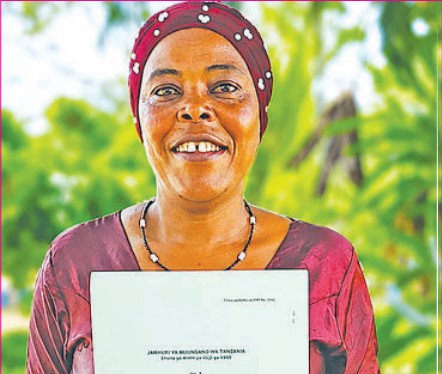
For generations, rural women in Tanzania have encountered significant cultural obstacles that restrict their access to land, a vital asset for income generation, family sustenance, and economic self-sufficiency. Widows are particularly vulnerable within many communities, frequently losing the rights to land they had previously cultivated. This situation highlights a systemic issue where traditional norms impede women's ability to secure their livelihoods and economic futures. Empowering these women through secure land rights is presented as a key strategy to foster greater economic independence and improve their overall well-being. Addressing these deeply ingrained cultural barriers is essential for achieving gender equality and sustainable development in rural areas. The article emphasizes that land ownership is not just about agriculture but also about social standing and the ability to provide for one's family.
The historical disenfranchisement of rural women regarding land rights in Tanzania, particularly affecting widows, stems from deeply entrenched cultural norms. These practices create significant economic precarity, limiting opportunities for self-sufficiency and perpetuating cycles of vulnerability. From a systemic perspective, secure land tenure for women is a critical determinant of household food security and broader economic development. Addressing these cultural barriers through legal reform and community engagement is essential. Over the next decade, as global attention on gender equality and sustainable development intensifies, nations will face increasing pressure to dismantle such discriminatory land ownership practices. Failure to do so risks exacerbating social inequalities and hindering progress towards broader economic resilience and empowerment for marginalized populations.
AI-generated to prompt reflection — not editorial opinion, not advice, not a statement of fact. How this works.