Seed Law Talks: Farm Sector and Seed Industry Narrow Differences, but Treaty Stance Remains Contentious
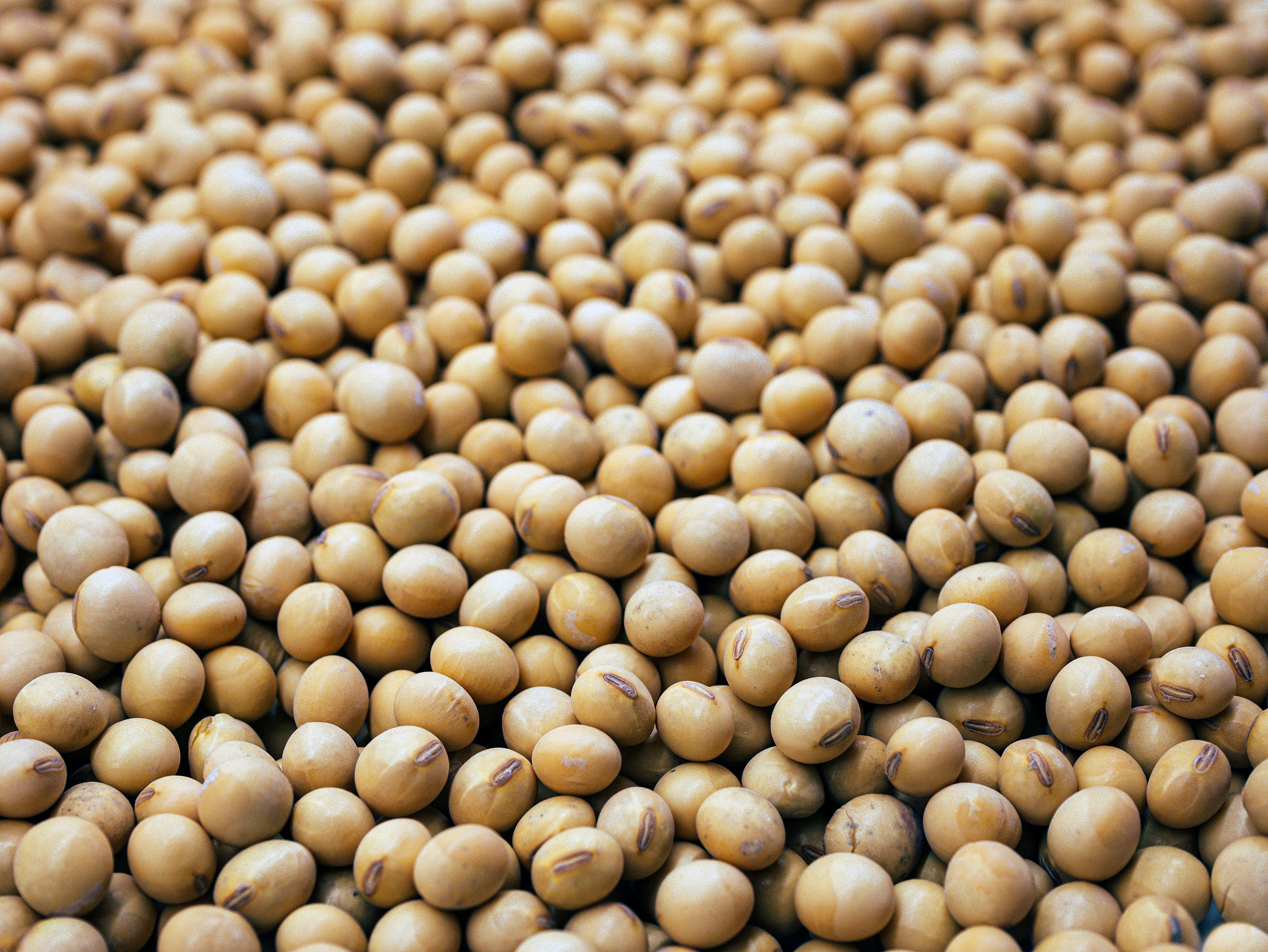
A meeting convened by the Argentine government has seen some common ground emerge between the agricultural sector and the seed industry regarding seed laws. Specifically, there were convergences on establishing exceptions to royalty payments. However, significant disagreements persist concerning the scope of intellectual property rights for seeds. The future adherence of Argentina to the 1991 Act of the International Union for the Protection of New Varieties of Plants (UPOV) remains a key point of contention. While the parties have moved closer on certain aspects, the fundamental differences over intellectual property and international treaty obligations indicate that a full resolution is not yet in sight. The discussions highlighted the complex balance between protecting innovation in the seed industry and ensuring access and affordability for farmers.
The ongoing debate over Argentina's seed law and its potential adherence to the UPOV 1991 Act reflects a classic tension between intellectual property protection and agricultural accessibility. The agricultural sector's push for royalty exceptions suggests a concern for maintaining cost-effectiveness and farmer autonomy, particularly in a sector vital for national food security and exports. Conversely, the seed industry's focus on intellectual property rights is driven by the need to recoup significant R&D investments and incentivize future innovation. The government's role as mediator underscores the strategic importance of this issue for both domestic agriculture and international trade relations. Navigating this requires a framework that balances incentivizing technological advancement in plant breeding with ensuring that farmers can continue to access and utilize seeds effectively, a challenge that will likely intensify with the increasing role of biotechnology and data in agriculture over the next decade.
AI-generated to prompt reflection — not editorial opinion, not advice, not a statement of fact. How this works.