Sega Dreamcast Continues to Receive New Games 25 Years After Official Discontinuation
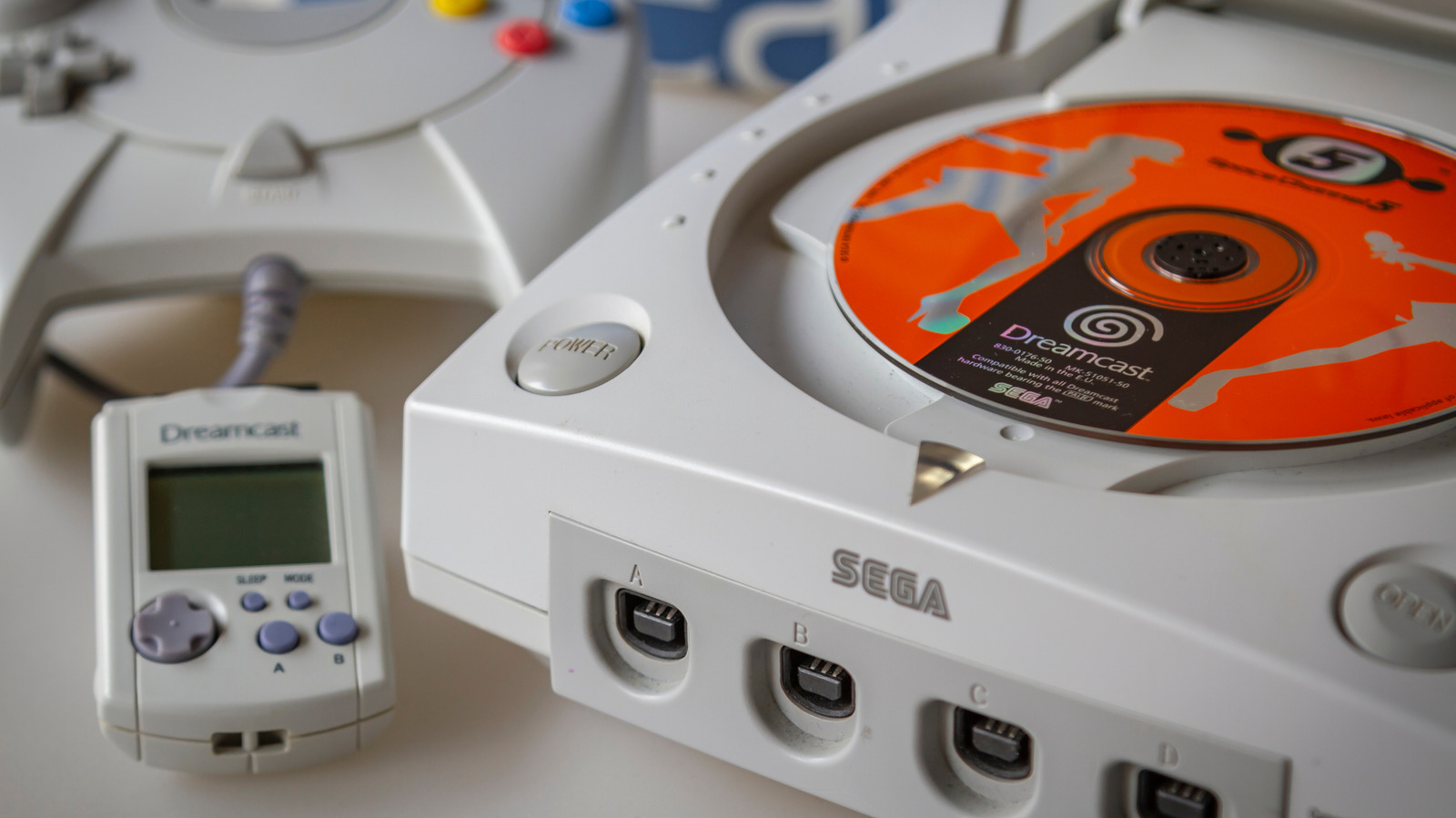
Twenty-five years after Sega officially discontinued the Dreamcast console, it remains a beloved platform for retro gaming enthusiasts. Many players still appreciate the simplicity of its older technology while also valuing its capability for online play. This enduring appeal has led to the ongoing development and release of new games for the system, demonstrating a persistent community dedicated to the Dreamcast. The console, initially released in 1998, faced stiff competition and was ultimately phased out by Sega. However, its innovative features for the time, including built-in online connectivity, have cemented its legacy. The continued creation of new titles suggests a vibrant homebrew scene and a dedicated fanbase that actively supports the platform. This phenomenon highlights the lasting impact of certain gaming consoles and the ability of dedicated communities to sustain them long after their commercial lifespan has ended. The Dreamcast's unique position in gaming history continues to be celebrated through these new releases.
The continued release of new games for the Sega Dreamcast, a console officially abandoned 25 years ago, illustrates the powerful economic and cultural incentives driving the retro gaming market. This phenomenon highlights a tension between planned obsolescence and consumer-driven longevity, where dedicated fan communities can create sustained value for outdated hardware. From a systems perspective, the Dreamcast's enduring relevance suggests that factors beyond raw processing power, such as unique user experience, community engagement, and the nostalgia economy, are critical determinants of a platform's long-term impact. As AI technologies evolve, understanding these non-technical drivers of product lifecycle extension will be crucial for businesses seeking to navigate the increasingly complex landscape of digital entertainment and consumer loyalty.
AI-generated to prompt reflection — not editorial opinion, not advice, not a statement of fact. How this works.