Self-Immolation Case: Different Reactions Inside and Outside Power
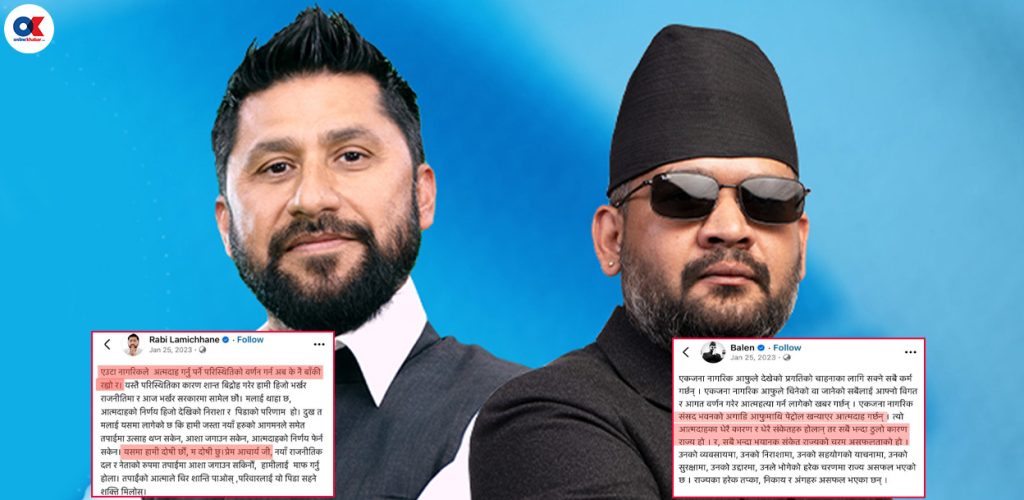
Ganesh Nepali set himself on fire in a self-immolation incident. However, leaders from the Rastriya Swatantra Party (RSP) have remained silent on the matter of Nepali's self-immolation. Critics are pointing out that the level of outrage expressed following Prem Acharya's self-immolation has disappeared now that the party has attained power. This stark contrast in reactions is drawing significant criticism.
The differing public responses to self-immolation incidents involving individuals like Ganesh Nepali and Prem Acharya, particularly from political actors, highlight the complex interplay between public sentiment, political positioning, and perceived efficacy of protest. When outside of government, political groups may leverage such tragic events to mobilize public opinion and pressure existing power structures. However, upon gaining power, the incentives shift towards maintaining stability and managing public discourse, potentially leading to a more reserved or muted response. This dynamic raises questions about the sustainability of protest-driven political movements and the potential for disillusionment among supporters when the initial fervor does not translate into sustained advocacy or action once power is achieved. The situation underscores the challenge of balancing principled stances with the practicalities of governance.
AI-generated to prompt reflection — not editorial opinion, not advice, not a statement of fact. How this works.