Self-Styled Journalists Push Boundaries of Press Freedom with Confrontational Tactics
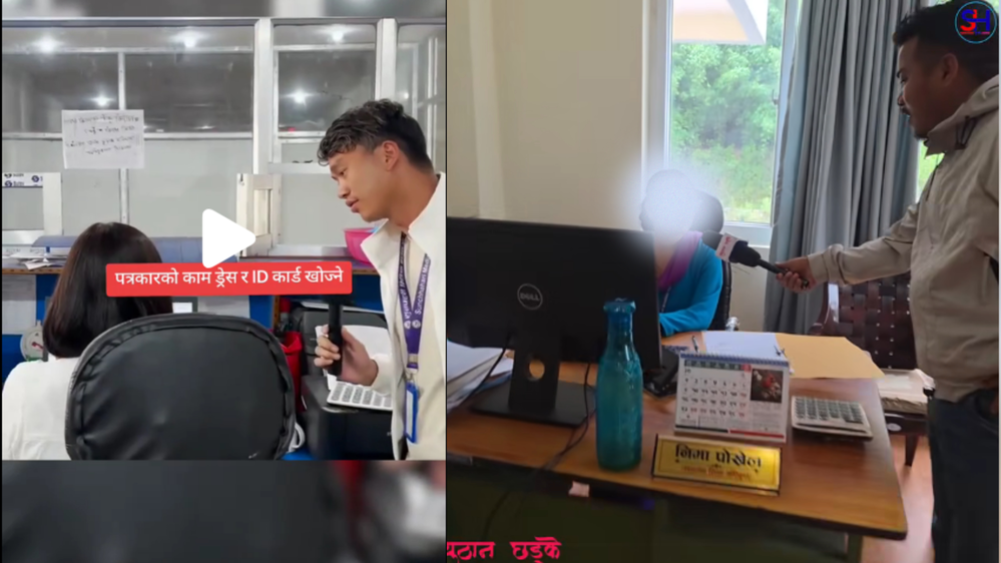
A new trend is emerging where individuals, self-identifying as journalists, are increasingly filming and confronting civil servants on camera. These encounters are then shared on social media platforms, often in pursuit of online clicks and engagement. Observers are raising concerns that this practice is blurring the critical distinction between legitimate journalism and intimidation tactics. The confrontational nature of these videos, coupled with their dissemination online, raises questions about the ethical boundaries and potential impact on public discourse and the work of civil servants. This development highlights a growing tension between the desire for online content and the established principles of journalistic integrity and respectful public interaction.
The rise of citizen journalism, amplified by social media, presents a complex challenge to traditional notions of press freedom and public accountability. While empowering individuals to document and disseminate information is a positive development, the pursuit of viral content can incentivize aggressive or misleading tactics. This trend necessitates a societal discussion on the ethical responsibilities accompanying the power to publish, distinguishing between investigative journalism that serves the public interest and actions that may constitute harassment or obstruction. Future frameworks may need to address the digital public square's unique dynamics, ensuring that accountability mechanisms adapt to new forms of media while upholding the integrity of both journalism and public service.
AI-generated to prompt reflection — not editorial opinion, not advice, not a statement of fact. How this works.