Semiconductors Drive Automotive Transformation, Turning Cars into Data Centers
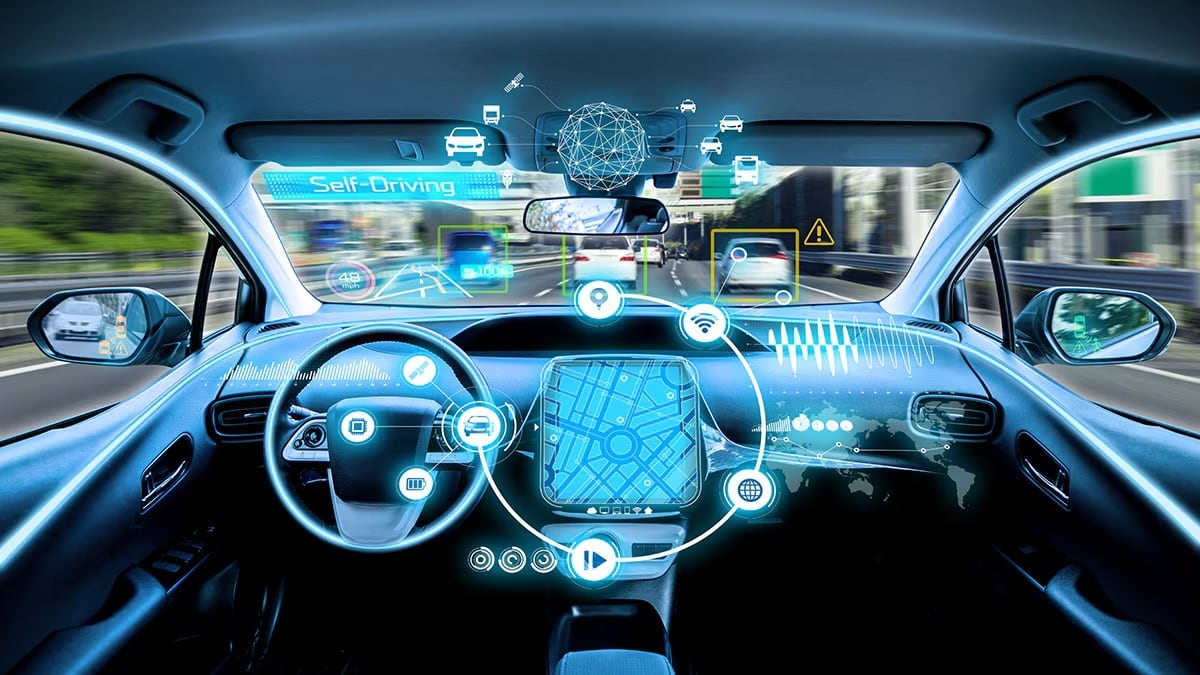
The automotive industry is undergoing a profound transformation, with vehicles effectively becoming data processing centers on wheels. This shift highlights the critical role of semiconductors in redefining the driving experience. Modern cars are increasingly complex electronic systems, relying heavily on advanced chips for everything from engine management and safety features to infotainment and autonomous driving capabilities. The integration of these sophisticated components signifies a move away from traditional mechanical engineering towards a software-defined vehicle architecture. This evolution means that the performance, features, and even the user interface of a car are now largely dictated by the semiconductor technology embedded within it. As the demand for connected and intelligent vehicles grows, the importance of a robust and innovative semiconductor supply chain becomes paramount for automakers. The industry's future is intrinsically linked to the advancements and availability of these essential electronic components.
The automotive sector's pivot towards vehicles as data centers, driven by semiconductor technology, represents a fundamental re-architecting of the industry. This transition underscores the increasing interdependence between hardware and software, where chip innovation directly translates into enhanced vehicle functionality and user experience. Automakers are now navigating complex supply chain dynamics and technological dependencies, shifting their competitive focus from traditional mechanical prowess to digital capabilities. The long-term implications involve potential shifts in value creation, increased reliance on technology partners, and the need for agile development cycles to keep pace with rapid technological advancements in areas like artificial intelligence and connectivity.
AI-generated to prompt reflection — not editorial opinion, not advice, not a statement of fact. How this works.